
Protecting our home from burglars matters a great deal, because it means protecting our belongings, our private property and the people we love.
For these very reasons, many systems have been designed to protect the home from theft and from the attempts of those who mean to break in.
Today burglars have come up with ever more refined techniques to carry out their break-ins quickly and safely, pulling off a clean job while staying completely anonymous.
This is exactly why we need to fit our homes with the right devices, the kind that make life difficult for any unwanted visitor.
Nowadays there are plenty of options, such as CCTV systems, alarms, armoured doors and sophisticated intruder-detection systems, all able to protect the areas considered most vulnerable, because they are the easiest to get past.
Let us look together at how to protect yourself from burglars at night (and during the day) and what the best measures and anti-break-in traps really are.
How to protect your home from burglars
Where do burglars get in?
Burglars get into homes by taking advantage of our slip-ups, studying us before they make their move.
They usually get in through doors and windows, balconies, the back of the house, the roof, slipping from one home to the next, or through the garage.
In other words, wherever the property is slower to lock up or less closely watched, they find it easier to get inside, waiting for the right moment to act.
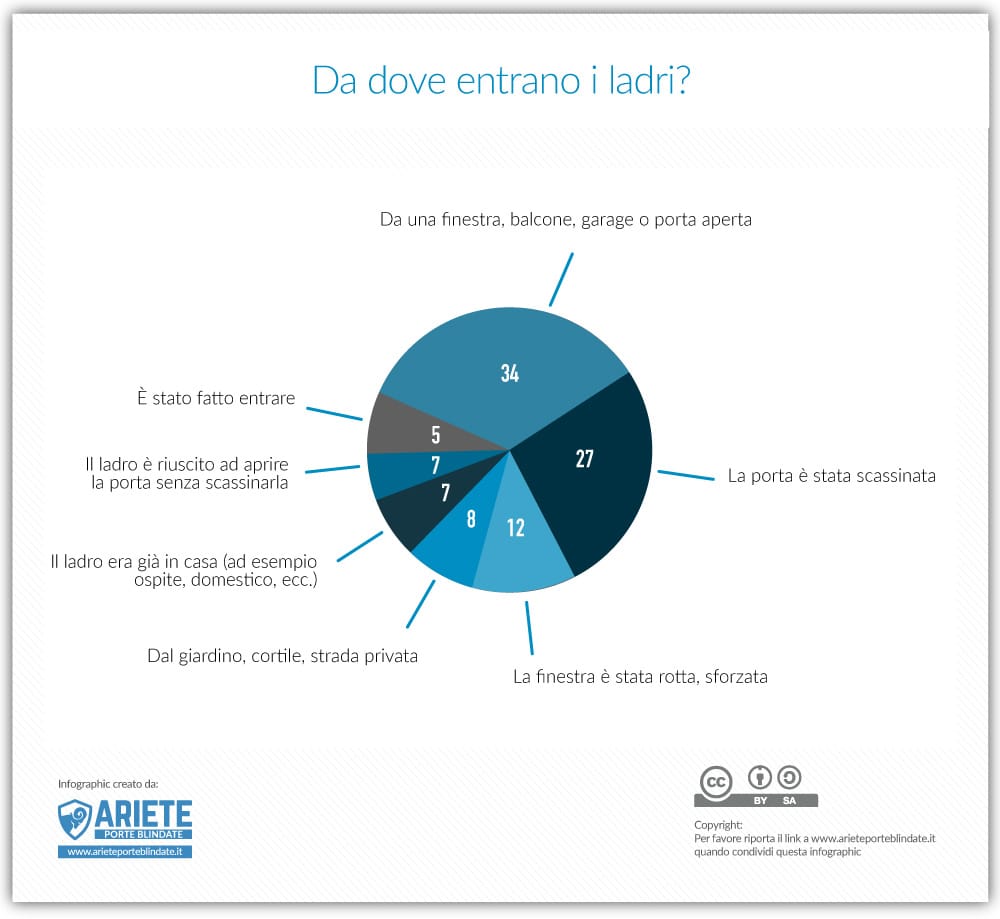
At night burglars have a much easier time, because the darkness lets them move far more freely without running the risk of being seen.
For these reasons the night is very dangerous, above all the early hours of the morning, when everything is quiet and the night is at its deepest.
Protecting a detached house from burglary
One very topical subject is exactly how to guard against burglaries in detached houses, since these days we hear more and more about such incidents, carried out by criminals who raid homes in search of gold and valuables.
But how do you protect your home or detached house from break-ins?
The people most often targeted are mainly elderly homeowners, who have fewer means of defending themselves in their own home.
For these reasons, many security systems have been designed to protect homes, making them safer and harder to get into.
To be properly protected, every house should be fitted with a set of armoured doors, anti-shatter and burglar-resistant, able to block any attack coming from outside.
Let us look together at how to choose the best armoured door.
Armoured doors
Not all armoured doors are the same, so you should always choose the best ones for strength and resistance to break-ins.
The door is the first deterrent for stopping would-be intruders.
Criminals who specialise in burglaries may choose to use brute force to open up the home, or simply pick the lock if they have the right technical skills.
Some burglars are able to open doors without leaving any sign of forced entry or break-in.
Reliable sources report that, statistically, the thefts carried out by so-called cat burglars often remain attributed to persons unknown, since the police rarely manage to catch them in the act.
This is exactly why you should choose armoured doors of great strength, with a frame able to withstand heavy blows and with state-of-the-art locks.
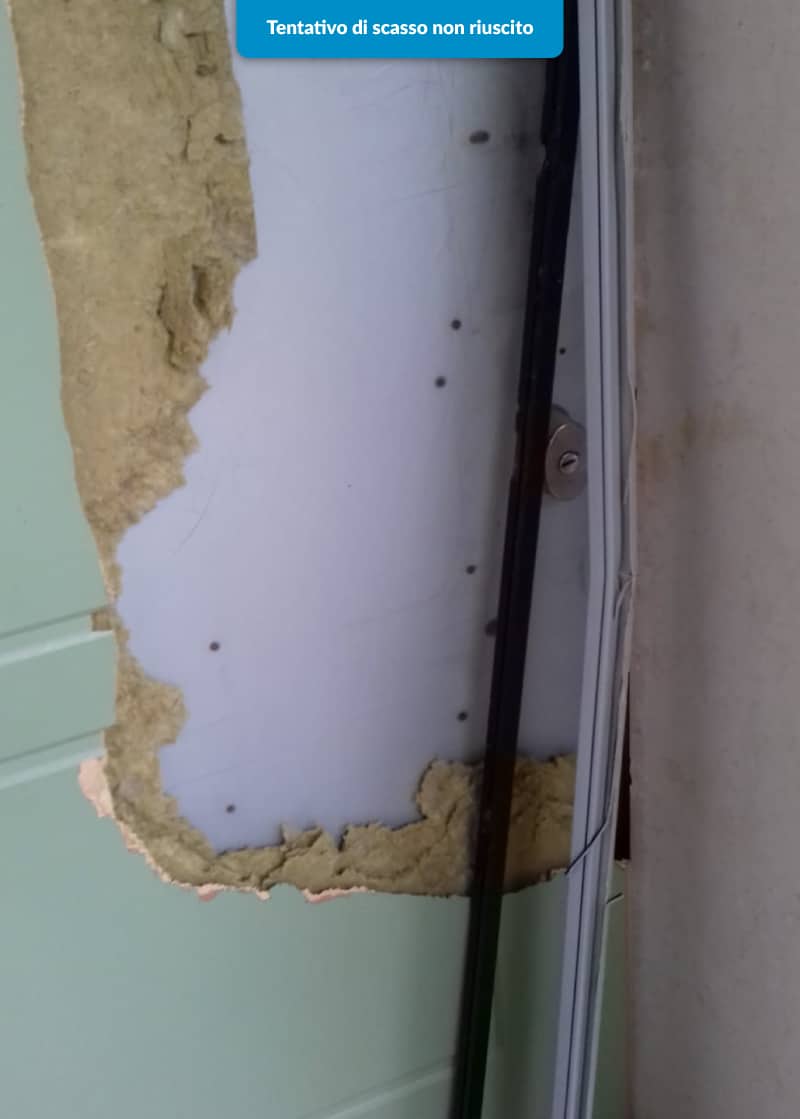
Depending on where the home is located, burglars can pick the break-in method that suits them best.
If they are in an isolated area, for example, they will surely choose to force the door with cruder, noisier means, whereas in a block of flats they will probably go for a quieter method.
Among the main features to look for in armoured doors:
- European cylinder
- galvanised shell
- burglar resistance class higher than RC3
- level of insulation
- oversized anti-lever lips
- door restrictor
- anti-drill plates.
All features that, when they perform well, make the home both safer and quieter.
How important the lock is
The lock on an armoured door matters just as much: if the wrong lock is fitted to an armoured door, the door becomes almost useless.
Today, in fact, burglars very often use the so-called bump key on double-bit locks.
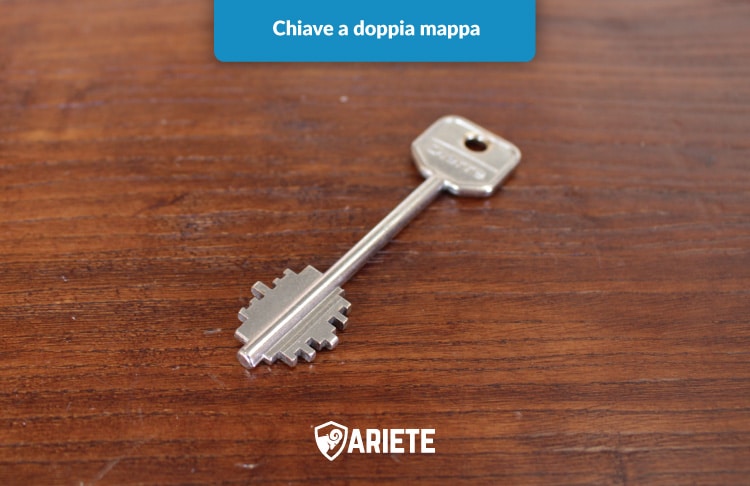
This is a tool made for double-cut locks (also known as double-bit locks).
By inserting this tool into the lock slot and turning it, the tool copies the lock’s pattern, allowing the door to be opened just as it would be with the original key.
For these reasons it is vital to replace double-bit locks (since they are not secure) with modern European cylinder locks.
The European cylinder is a particular type of lock, designed to overcome the problem of the bump key. It comes with a special anti-break-in system, and key copies can only be made at specialist centres on presentation of a dedicated code issued to the lock owner by the manufacturer.
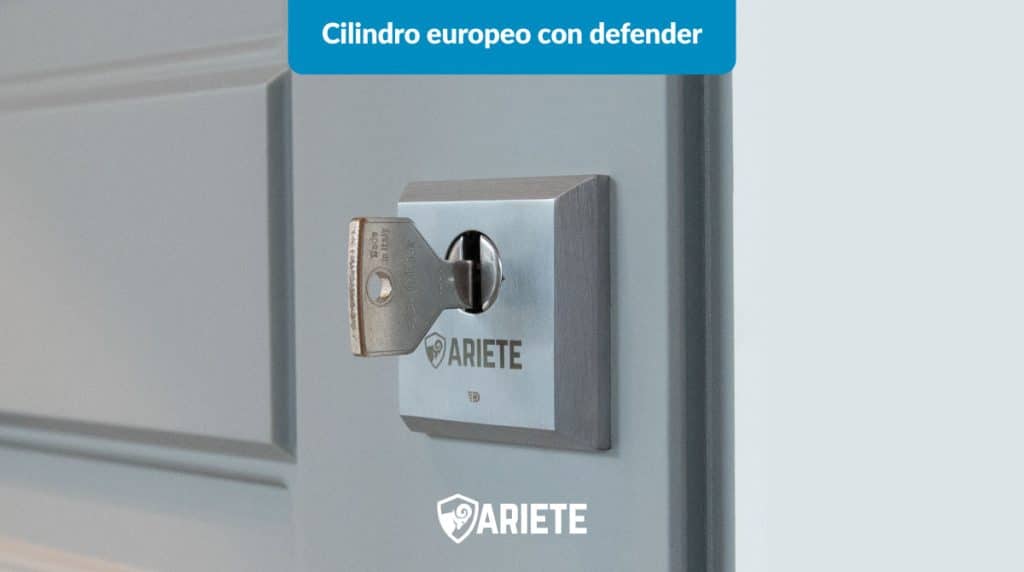
You should therefore fit your home with armoured doors and state-of-the-art locks, taking the advice of an expert so that you always install quality products that protect every home as well as possible.
Watch this video to find out how burglars get into the home and what the best way is to choose the lock for an armoured door.
Home invasions in detached houses: how to protect yourself
The phenomenon of home invasions in detached houses is very widespread today and often ends in episodes of shocking violence.
For this reason, besides fitting the home with armoured doors as already mentioned, you should also fit the property with a good burglar alarm, since noise is one of the main things that scares burglars off and makes them flee.
There are various types of burglar alarm, such as motion-detection ones or perimeter ones.
Motion-detection and perimeter alarms
Motion-detection alarms use dedicated sensors to pick up any moving bodies.
As soon as they detect suspicious movement, they set off the alarm.
Perimeter alarms, on the other hand, let you protect the perimeter of the house.
These are often placed close to windows or doors and are made up of two plates.
When the alarm is armed, if the 2 plates set parallel to each other are no longer facing one another, because a door or a window has been opened, the alarm starts to sound and keeps sounding even if the door is shut again, since to switch it off you have to disarm it manually.
CCTV cameras
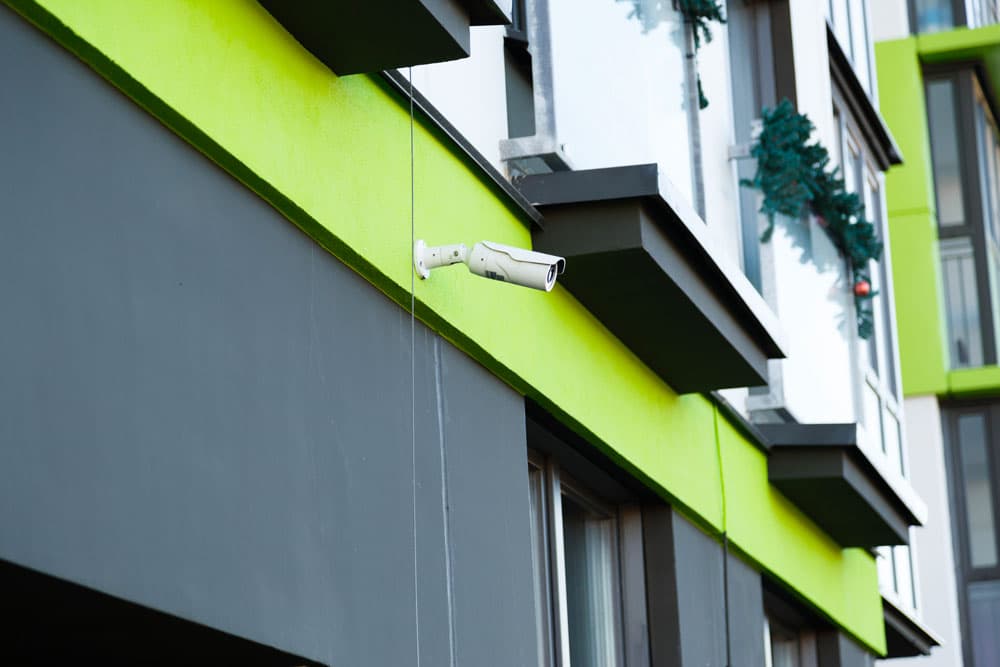
Cameras are also an excellent tool for keeping an eye on every corner of the house and watching out for any suspicious movement.
Dogs
Man’s best friend is also an excellent way to guard against home invasions, because if you have dogs, especially large ones, they will strike more fear into intruders.
Should a stranger come near the property, dogs, with their very keen sense of smell and hearing, will start to bark to drive the intruder away, and in doing so they will also alert the homeowners or the neighbours that something is wrong.
How to prevent burglaries at home
According to reliable sources from the official website of the Italian State Police, to guard against burglaries inside the home you need to put in place two kinds of security: passive security and active security, that is, rules of behaviour to follow so that you are better protected and run less risk of being burgled.
Passive security
Passive security means putting in place all the measures already mentioned that protect the home, such as burglar alarms, armoured doors and anti-shatter equipment.
Active security
As for active security, that is, the rules of behaviour, the Italian State Police list some important precautions to follow carefully in order to avoid unpleasant surprises, such as:
- never leave windows or roller shutters open where they can be reached from the road or the pavement, above all during the night;
- never open the entrance gate over the intercom to people you do not know, as they may be criminals;
- always be wary of people in the street you do not know who pretend to be relatives or acquaintances and offer to help you carry your shopping inside. Never let them into your home;
- never talk to strangers about the valuables you keep at home, it could be excellent advertising for a would-be burglar;
- avoid keeping jewellery or large amounts of cash at home, it is far better to deposit them in safe-deposit boxes or armoured safes;
- always photograph your valuables: it will be much easier to recover them if the police find them.
When you are away from home, take the following precautions:
- never advertise your departure on social media, it could be very easy for burglars to clear out your home without worrying about you coming back;
- ask your neighbour to collect your post, so as not to draw the burglars’ attention to your absence;
- it is very dangerous to leave notes stuck to the door, this is an excellent calling card that tells burglars you are away;
- build a good neighbourly spirit that lets you set up little watch teams, so as to alert the owners and the police to anything strange.
An excellent idea, while you are away, is to leave a light, the television or the radio on, so as to make intruders think you are inside the home.
If you do find yourself seeing the door open with signs of forced entry, do not go into the home for any reason; call the police and wait for them, because a burglar caught in the act can become very aggressive.
For this very reason, never play the hero, it can be very dangerous.
How to protect yourself from burglars in the countryside
Isolated places are burglars’ favourites, because they can carry out break-ins very quickly and without attracting attention.
The countryside is exactly one of those places where burglaries are carried out with great ease.
To guard against them, you need to follow a few precautions that make the burglars’ work harder.
First of all you should fence off rural areas as well as possible (where you can) with strong fencing, and if necessary reinforce it with barbed wire, so as to discourage any burglar from climbing over.
It is very important to lock valuable tools away in safe places, using armoured doors and cut-resistant armoured padlocks.
Technology has also come up with ways to monitor even the hardest-to-reach places at any moment, by means of a trail camera.
The trail camera is a camouflage-coloured device able to photograph and send any moving object to any mobile device through a SIM card.
The trail camera can monitor anything that moves, both by day and by night, thanks to its infrared technology.
In the less frequented places, especially for businesses, a private security patrol service is recommended, checking each day during closing hours that the area, the doors and the most sensitive points exposed to break-ins are all in order.
By taking the right precautions, then, and installing the relevant security measures, you can stand up to criminals and keep your home safe from burglars and from any attack by those who mean harm.
Anti-intrusion traps
To protect yourself from criminals and set up traps for burglars, you first need to analyse the weak points of a home.
Very often, in the surroundings of the home, there are many things that make it easy for burglars to get in without a hitch.
Here are a few examples:
- trees too close to windows, stairs and doors;
- outdoor spaces in the dark or poorly lit;
- fences with footholds for climbing;
- ineffective CCTV systems;
- switches within easy reach and alarm cables left exposed in plain sight;
- a garden door not visible from the home.
These are just a few weak points that make it easier for a criminal to get into a home.
You therefore need to analyse all these vulnerabilities and find solutions that cut the risk of intrusion to a minimum.
One trick, for example, is to install motion-sensor lights, which switch on when they detect movement, lighting up those dark spots and making any criminal flee.
Another anti-intrusion trap is to fit anti-shatter glass on your windows and doors. This glass has a special film able to withstand any blows from an attempted break-in. It keeps the burglar outside and makes them give up and run.
Another measure is to install windows and doors fitted with anti-intrusion devices that stop the burglar in their tracks. Thanks to their locking and safety mechanisms, they put even the most experienced burglars to the test.
Owning a burglar alarm and CCTV system that you can control from your smartphone can also be an excellent anti-intrusion trap. The burglars will think they are alone inside the home, but through the dedicated app on your smartphone you can monitor the rooms remotely and have time to alert the police should you notice anything strange.
What to do after a burglary at home
If you return home and notice that the house is not in the state you left it in last time, before you even go inside, call the police on 112, the single European emergency number.
Move away from the house and wait for the police to arrive.
Once they are on the scene you can go into the house and assess the extent of the damage caused by the burglary.
If, on the other hand, you only realise you have been burgled after going inside, check whether there are any strange noises inside the home, and if so, leave the house and call the police.
Only once they are on the scene can you assess the damage and take stock of what has been stolen.
At this point, you should contact your insurer straight away, if you have a policy, to file a claim for the incident.
Remember never to throw away broken items, since they may count towards the claim.
Once you have done all this, you need to remove all signs of forced entry and restore the home to how it was before the burglary.
Bearing in mind the weak spots that let the burglars into the home, you need to reinforce those vulnerabilities by taking the right measures, such as the installation of burglar alarms and cameras able to watch over the house more effectively, or replacing the old windows and doors with more modern, anti-shatter ones.
Burglars’ symbols on homes
Before I wrap up this article on how to protect yourself from burglars, I would like to touch on a subject that has been much discussed lately: burglars’ symbols.
For some time now a legend has been doing the rounds on social media about certain symbols that burglars supposedly use to pass on useful tips to their “colleagues”, such as:
- the house is unoccupied;
- the presence of dogs or alarms;
- whether or not it is a good target;
- whether public officials live in the house;
- whether it is a house best hit at night.
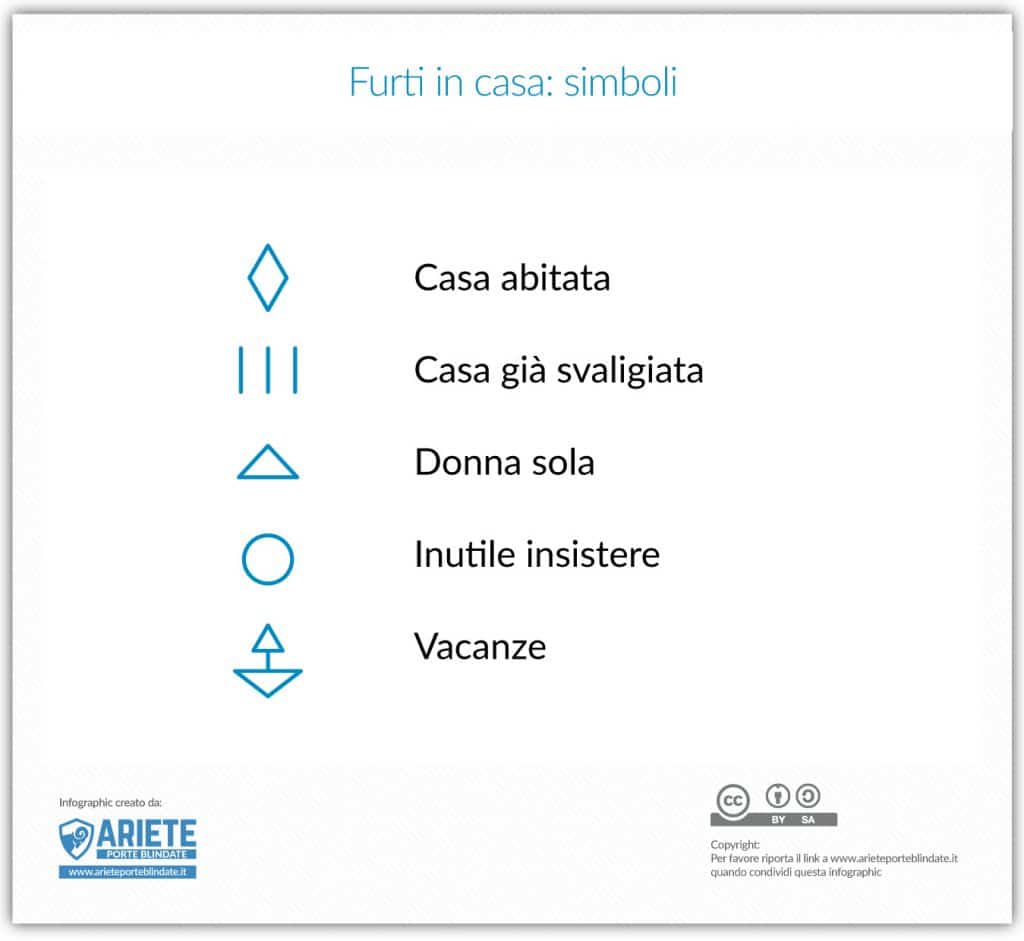
Even major newspapers have written about it, and some security-system sellers have confirmed it, claiming that if you find a symbol of this kind outside your home, you need to take action.
Well, I am sorry to disappoint you, but it is only an urban legend.
If you think about it, why on earth would a criminal leave a warning for one of their own?
What you really should focus on is something else: criminals often put certain particular marks on the doors of flats to signal whether the house has been empty for a long time (so they can get in undisturbed) or not.
The most common are:
- placing small pieces of plastic under the door (if these strips are moved it means the house is not empty, but if they stay there for a long time it means the moment is right to act);
- placing small pieces of chewing gum on the lock (if nobody moves them, it means the house is empty);
- and so on.
My advice for making your home safer when you go on holiday or are away for a long time is to ask a friend or relative to drop in now and then, so as to make burglars think the house is always being looked after.
Conclusions
Well, we have reached the end of this long article on how to protect yourself from burglars, in which I hope I have given you all the useful information for making your home secure.
Do you need more information? Get in touch with me using the form below, or request a quote for armoured doors.
Warm regards,
Mauro

One Response
Possibile nessuno dica di armarsi non c’è miglior deterrente di una nove mm in faccia