
How long does an armoured door last before you need to replace it?
You ask yourself this when yours starts showing a few signs of wear, or before you invest in a new one.
A quality armoured door, fitted properly and given a little maintenance, lasts roughly 20 to 30 years. The individual parts, though, have shorter lives: the lock, the seals and the hinges wear out before the body of the door, and they need looking after over time.
The difference between a door that reaches thirty years and one that gives up at ten comes down to two things: how it was fitted and how much maintenance it gets. A neglected armoured door ages quickly, while one that is looked after stays secure for years.
In this guide I explain:
- how long an armoured door really lasts, and how long its parts last
- what extends and what shortens its life
- when a repair is enough and when it is worth replacing it
- the signs that tell you it is time to replace it
Let’s go through it point by point, starting with the overall lifespan.
How long an armoured door lasts
Let’s start with the figure you’re after. A well-made armoured front door lasts 20 to 30 years on average, provided it has been fitted to a high standard and gets a little maintenance.
This is an indicative figure, not a fixed expiry date. The real lifespan depends on where the door is, how much you use it and how you treat it over the years.
A door exposed to the weather, on an unsheltered external entrance, ages sooner than one protected on an internal landing. And an armoured front door in constant use, in a busy home, puts the lock and hinges under strain more quickly.
The body of the door, meaning the steel leaf and the frame, is the longest-lasting part. It is the mechanical parts that wear out first, and that is where maintenance is focused.
How long the individual parts last
An armoured door doesn’t age all at once. Each part has its own working life, and it helps to know them so nothing catches you off guard.
| Part | Average lifespan | What affects it |
|---|---|---|
| Body of the door (steel leaf + frame) | 20-30 years | Quality of the installation, exposure to the weather |
| Cylinder / lock | 15-20 years (around 100,000 cycles) | Frequency of use, lubrication with graphite every 12-18 months |
| Rubber seals | 3-5 years | Exposure, sun and heat, natural wear |
| Hinges | The whole life of the door | They aren’t replaced: they’re adjusted when the leaf starts to drop |
The lock and the cylinder
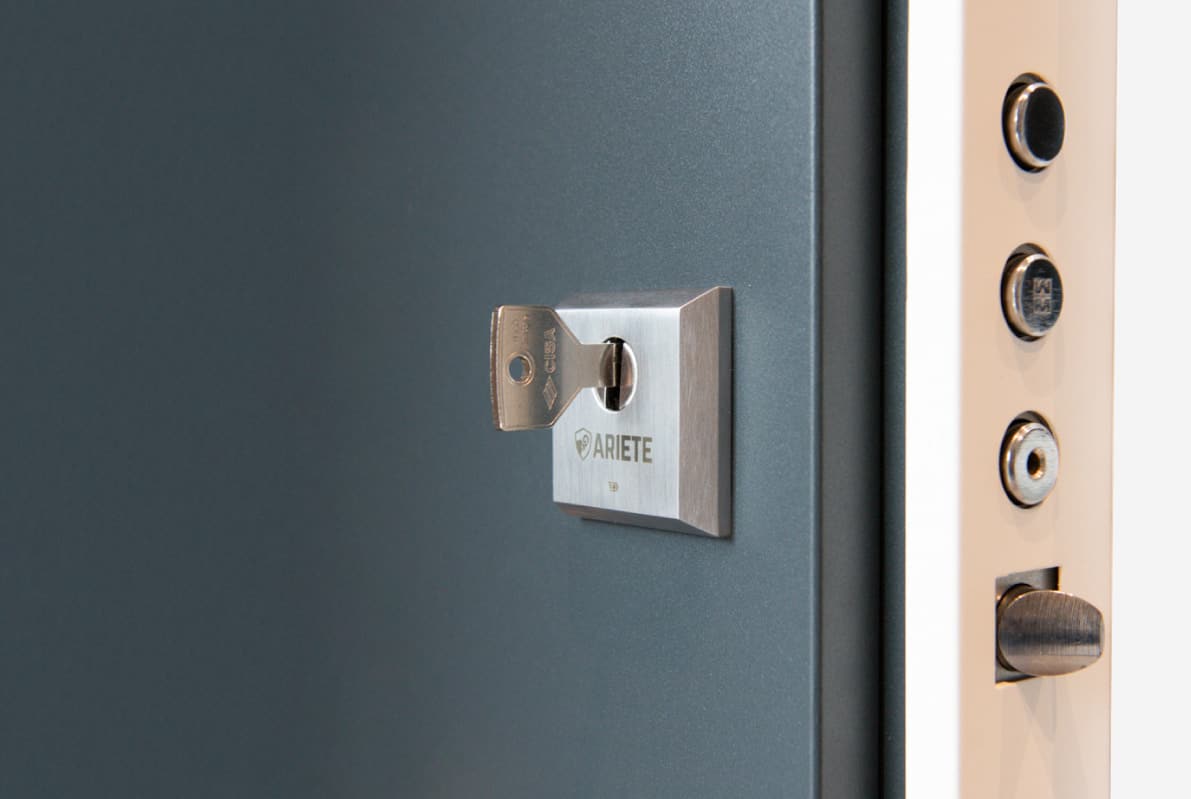
The lock is the hardest-working part, because it comes into play every time the door opens. A good-quality European cylinder usually lasts 15 to 20 years, the equivalent of around 100,000 opening cycles set out by the industry’s technical standards.
The real lifespan depends a great deal on use and maintenance. Lubricating with graphite every 12 to 18 months keeps the mechanism running smoothly, while oil is best avoided because it traps dust and, over time, gums up the moving parts. For how to do it properly, see the guide on how to lubricate a euro cylinder lock.
When the key turns stiffly or the lock jams often, it’s the sign that the cylinder is nearing the end of its life and needs replacing.
Seals and hinges
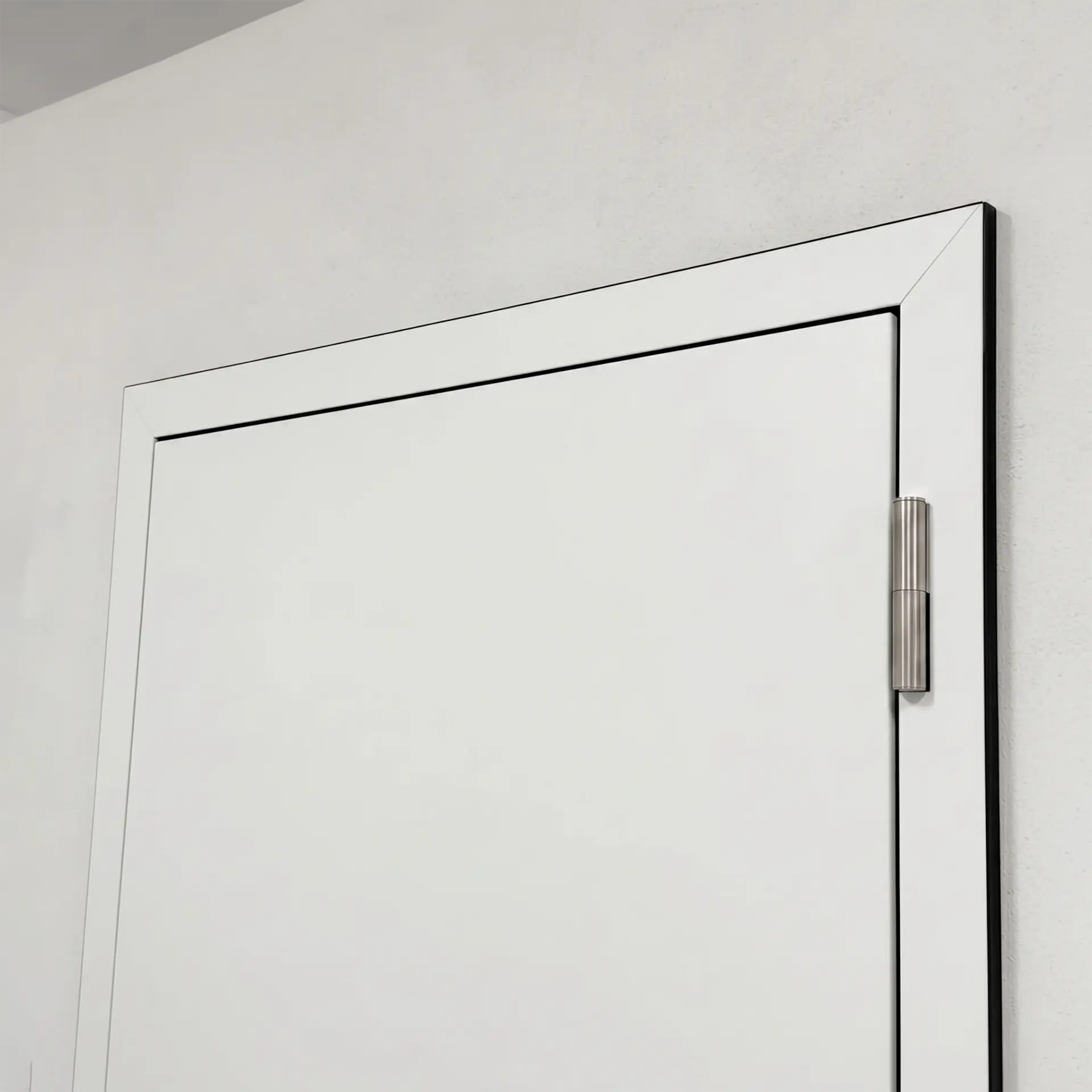
The seals are made of rubber and are among the parts most prone to wear. They usually need replacing every 3 to 5 years, or sooner if you see them hardened, squashed or cracked, because the air tightness and acoustic insulation depend on them.
The hinges, on the other hand, don’t “wear out” like the seals, but under the weight of the leaf they tend to let the door drop slightly over time. The answer isn’t to change them, but to adjust them, a quick job that brings the door back into line. I take you through it step by step in how to adjust an armoured door.
What extends and what shortens the life of your door
The difference between a door that lasts thirty years and one that deteriorates early comes down to a few concrete factors. The first, by far, is the installation.
A poorly fitted door starts off on the wrong foot: a frame that isn’t anchored properly, hinges out of adjustment, a leaf that sits crooked. All of this speeds up the wear and shortens the life of the door, however sturdy it is.
The second factor is regular maintenance. Lubricating the cylinder every 12 to 18 months, replacing the seals every 3 to 5 years and adjusting the hinges when needed takes little time and adds many years to the life of the door.
What shortens it, instead, is neglect, unprotected exposure to the weather and the use of the wrong products, such as oil in the lock. Skipping the small jobs today means bringing replacement forward tomorrow.
When a repair is enough and when you need to replace the door
Not every problem calls for a new door. Many faults can be sorted with a targeted repair, and it’s always worth starting there if the door is still sound.
You repair when the problem is contained: an armoured door that doesn’t close properly because the hinges need adjusting, a seal to change, a worn handle, a lock to replace. These are jobs that bring the door back into shape without major expense.
You replace, instead, when the problems are structural or start to pile up: a frame that is misaligned beyond recovery, insulation that has gone, widespread rust, a lock that is dated and outclassed. When repairs keep coming one after another, keeping the old door going becomes a bad deal.
Is your armoured door starting to give you trouble and you’re not sure whether to repair it or replace it?
Tell us what door you have and what faults you’ve noticed: we’ll help you work out whether a repair or a new door makes more sense, based on your actual situation.
Fill in the form with a few details about your door: we need them to give you a proper answer and not a generic piece of advice.
The signs that an armoured door needs replacing
Some signs tell you clearly that the door has had its day. Spotting them in time saves you from discovering too late that it no longer protects you as it should.
The first is difficulty closing that comes back even after adjustments: if the leaf stays crooked or keeps catching, the frame has probably given way. The second is draughts and noise that weren’t there before, a sign that the insulation and seals are no longer holding.
Then there’s rust and visible deterioration of the steel, which weakens the structure, and a dated lock that jams often or no longer offers the protection of today’s locks. When these signs appear together, the door has reached the end of its life.
Finally there’s one sign that concerns security directly, and we’ll look at it right away.
Why an old door doesn’t protect like a new one
An armoured door that is twenty-five or thirty years old can still look solid, but it often no longer offers the security it once did. Break-in techniques have changed, and dated parts have become vulnerable.
The most common case is the old double-bit lock. It was once the standard; today it is easily attacked with the Bulgarian key, a technique that works the cylinder directly in the keyhole. Anyone who still has a double-bit lock almost always has a door that is dated all round.
In these cases, changing just the lock on a thirty-year-old door is often a poor investment: the frame is misaligned, the insulation is poor, the seals have hardened. It almost always makes more sense to replace the whole door, which gives you more security, more insulation and access to the Italian Renovation Bonus, as I explain in the article on the tax deduction for armoured doors.
Security, after all, doesn’t come down to a single part but to the whole, assessed through the tests of the EN 1627 standard.
Ariete armoured doors and aftercare over time
A door lasts a long time if it’s well made and if someone looks after it. At Ariete we work on both fronts.
Our doors are fitted by technicians trained at the Accademia della Posa in Opera in Genoa, the Italian academy of professional installation, because fitting is the first factor in how long a door lasts: a well-anchored frame and precisely adjusted hinges make the difference over the years. A poorly fitted armoured door ages quickly, however sturdy it is.
Then there’s the aftercare, handled by in-house technicians and not a call centre. It means that for an adjustment, a seal or a spare part, you’ll find someone who knows your door, even years later.
When your front door has reached the end of its life, replacing it means choosing the right combination of leaf, frame, lock, cylinder and defender for your home, not just a spare part.
Conclusions
An armoured door lasts 20 to 30 years on average, but it’s the care it receives that makes the difference. The mechanical parts, from the lock to the seals, have shorter lives and need following with simple but regular maintenance.
When the problems are contained, it’s worth repairing. When the frame gives way, the insulation no longer holds and the lock is dated, throwing money at repairs on an old door is a bad deal: a new door delivers more in security, insulation and peace of mind.
If your door is starting to show its age and you want to understand whether it’s worth repairing or replacing, request a free quote for your armoured door: we’ll help you choose based on your actual situation, without pushing you to spend more than you need to.
Frequently asked questions
On average between 20 and 30 years, if it has been fitted well and gets a little maintenance. Parts such as the lock, seals and hinges have shorter lives, though, and need looking after over time.
It’s worth a check once a year, lubricating the cylinder with graphite every 12-18 months and checking the seals and hinge adjustment. The seals are usually replaced every 3-5 years.
When the key turns stiffly, the lock jams often or it is now dated and outclassed. A quality cylinder lasts 15-20 years, but an old double-bit lock should be replaced for security reasons too.
It depends on the state of the door. If the problem is contained it’s worth repairing, but if the frame is misaligned, the insulation is compromised and the lock is dated, replacing the whole door is almost always the better choice.
Often not. Break-in techniques have changed and dated parts, such as the double-bit lock, have become vulnerable. A door of that age should be assessed carefully and, in most cases, replaced.
