
Ariete Security Doors
Blue armoured door
The colour that pushes the walls back and slows your heartbeat.
The colour that pushes the walls back and slows your heartbeat, with security you never notice.
You design your blue armoured door made to measure, in the exact shade you have in mind: gentian blue RAL 5010, full and vibrant, sapphire blue RAL 5003 that shifts towards midnight, blue-grey RAL 5008 for a muted look, or powder blue RAL 5024 for a whispered blue. You can choose it on every model in the range, for flats and for exteriors alike. Want a coordinated entrance? Have the frame finished in the same blue. We build it in the most requested sizes, 80, 85 and 90 cm wide, or to a bespoke size for your opening. And you can see it and touch it for yourself in the showroom, before you decide.
See your blue armoured door before you choose it
Blue is the colour that changes most with the light: the same RAL looks deep and marine on a north-facing entrance, bright and Mediterranean on a south-facing one. That is why here you see photos of real doors, fitted in real homes, on smooth and moulded panels. So you know what your blue armoured door really looks like before you even set foot in the showroom.
Blue: perception, history and style.
We asked colour designer Chiara Bevegni to tell us what blue really is: why our eye reads it as distance and makes an entrance feel more spacious, how it went from a pigment dearer than gold to the colour of the Mediterranean, and what happens to a home when you fit a blue door.

Blue is the only colour that pushes the walls back.
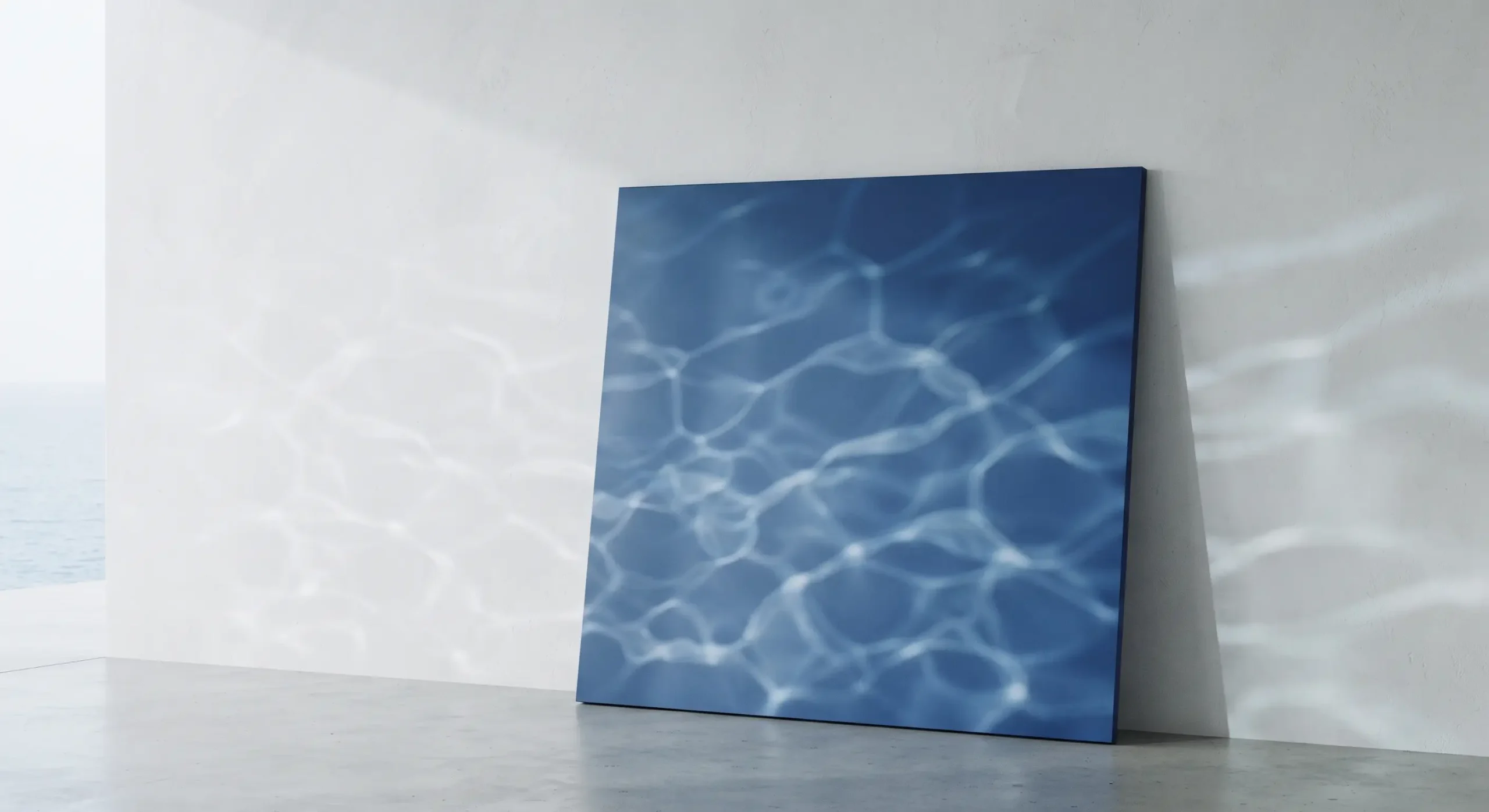
Looking at blue slows your heartbeat.
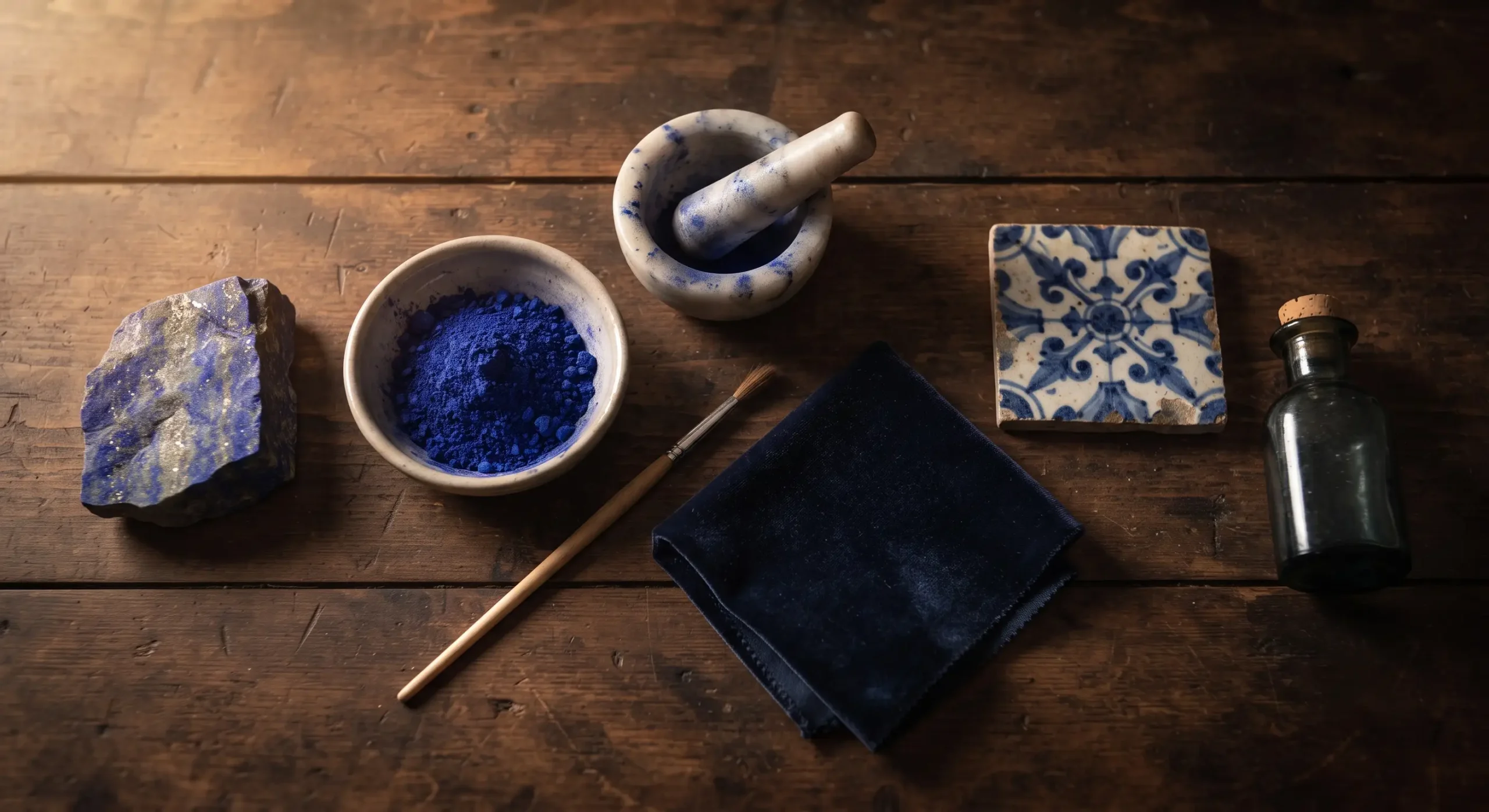
For centuries it cost more than gold.
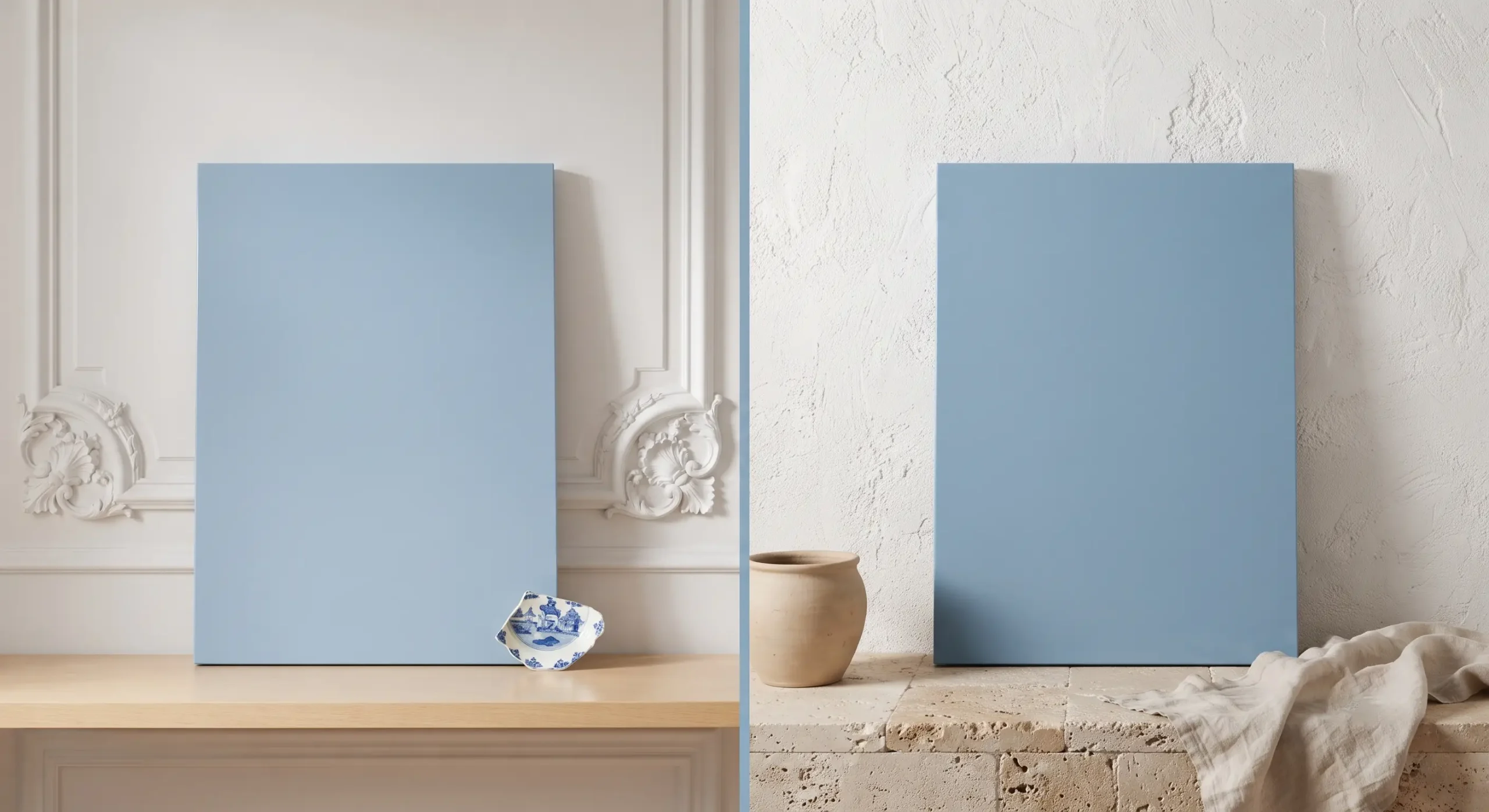
From neoclassical to Mediterranean.
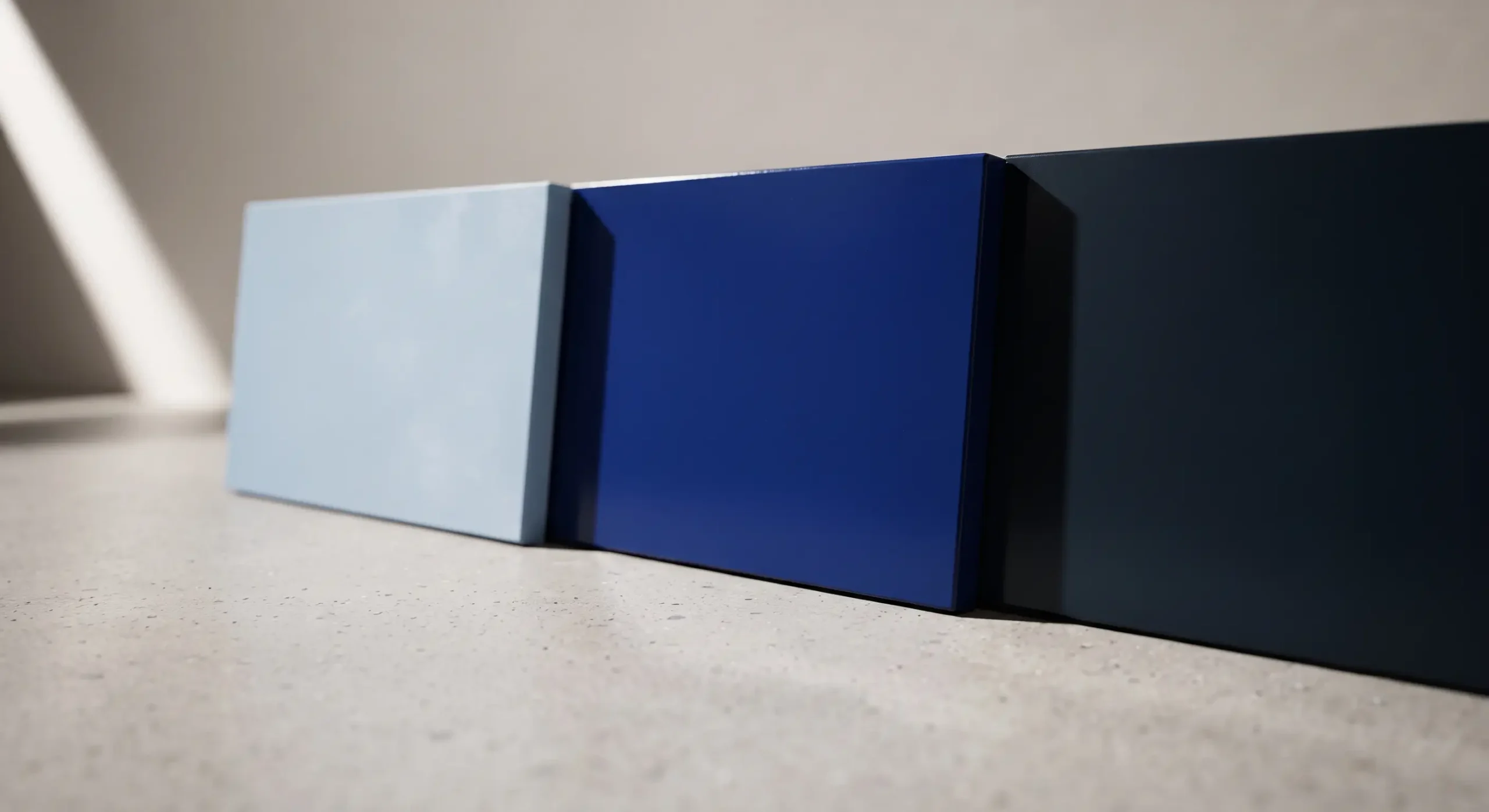
Every shade tells a different home.
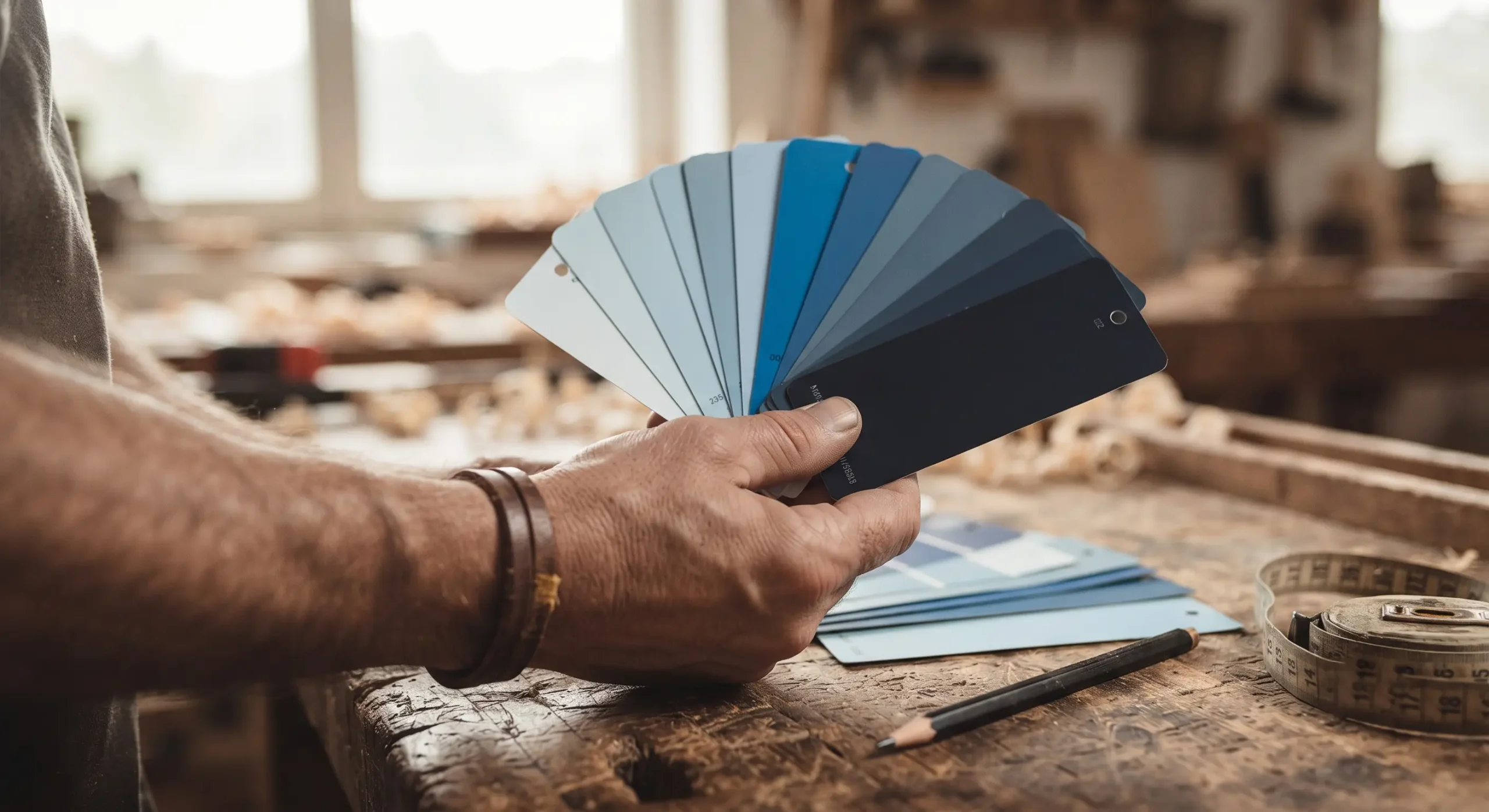
Buying a blue door, or designing yours.
The colour designer
Chiara Bevegni
Interior and colour designer, Genoa
She designs the colour of spaces by listening first to the people who live in them, working across colour consultancy, interior design and home staging. She is the voice behind the colour section of this page.
You can choose blue on any Ariete armoured door
You can choose blue across the whole range, from a flat’s front door to the entrance door of a detached house, right through to the sliding door that disappears into the wall. The armour under the panel changes from model to model, and you are still free to have it in the blue you prefer.
To each style, its blue.
Blue does not raise its voice: it opens up the space. The same door is light nobility in a classic home and a burst of energy in a pop one. Here are the four styles where blue is at its best, so you can see at a glance which one is right for your home.
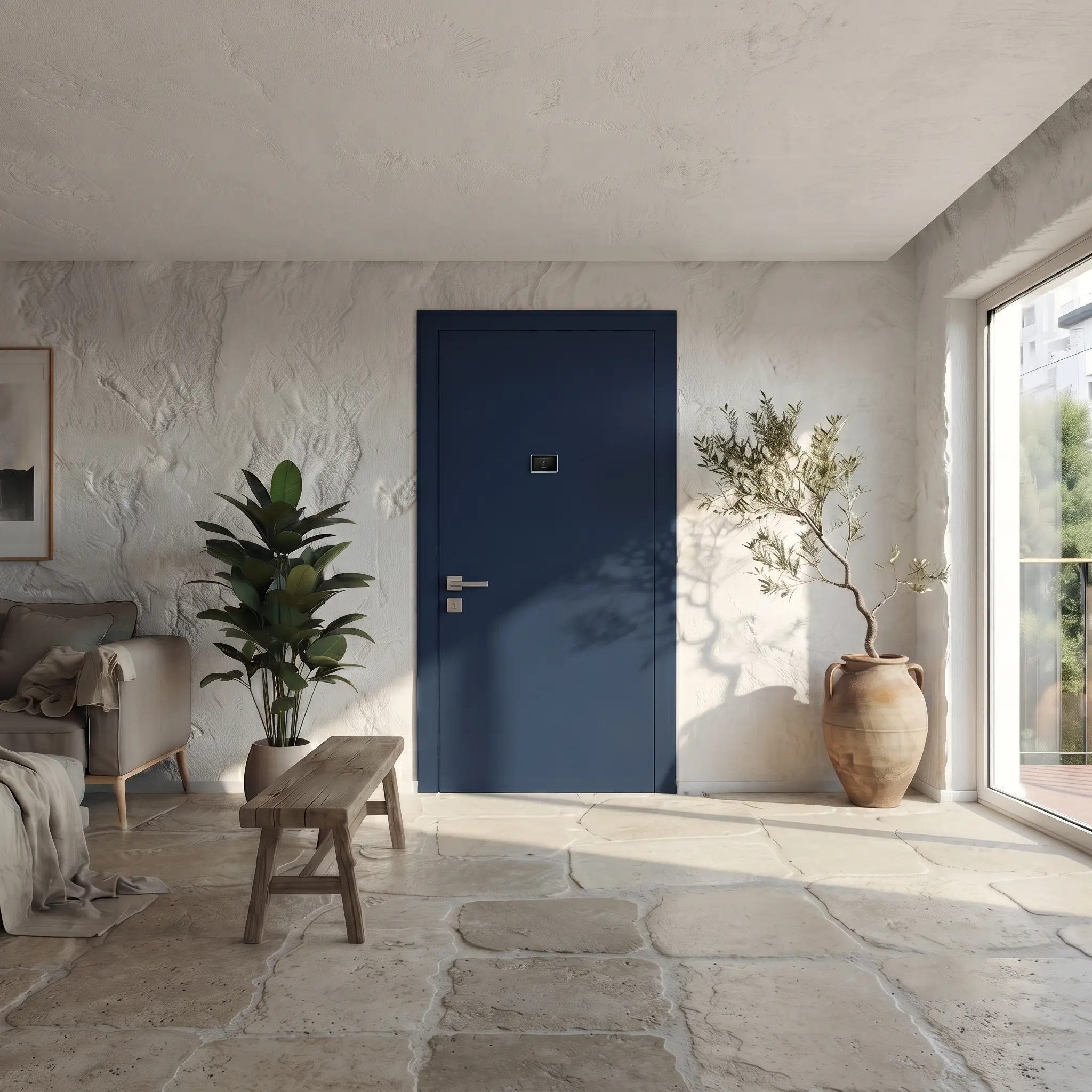
Contemporary Mediterranean
- Sapphire blue RAL 5003 on limewash white and stone
This is the style where blue stops being a colour and becomes a memory of sea and sun. A deep blue, almost a midnight blue, next to limewash white walls, natural stone floors and raw fabrics. Blue acts as an anchor: it brings the Italian and Greek coasts to mind and turns the home into a permanent summer retreat. It is still a cool colour, and yet it is the one that warms the character of the entrance the most.
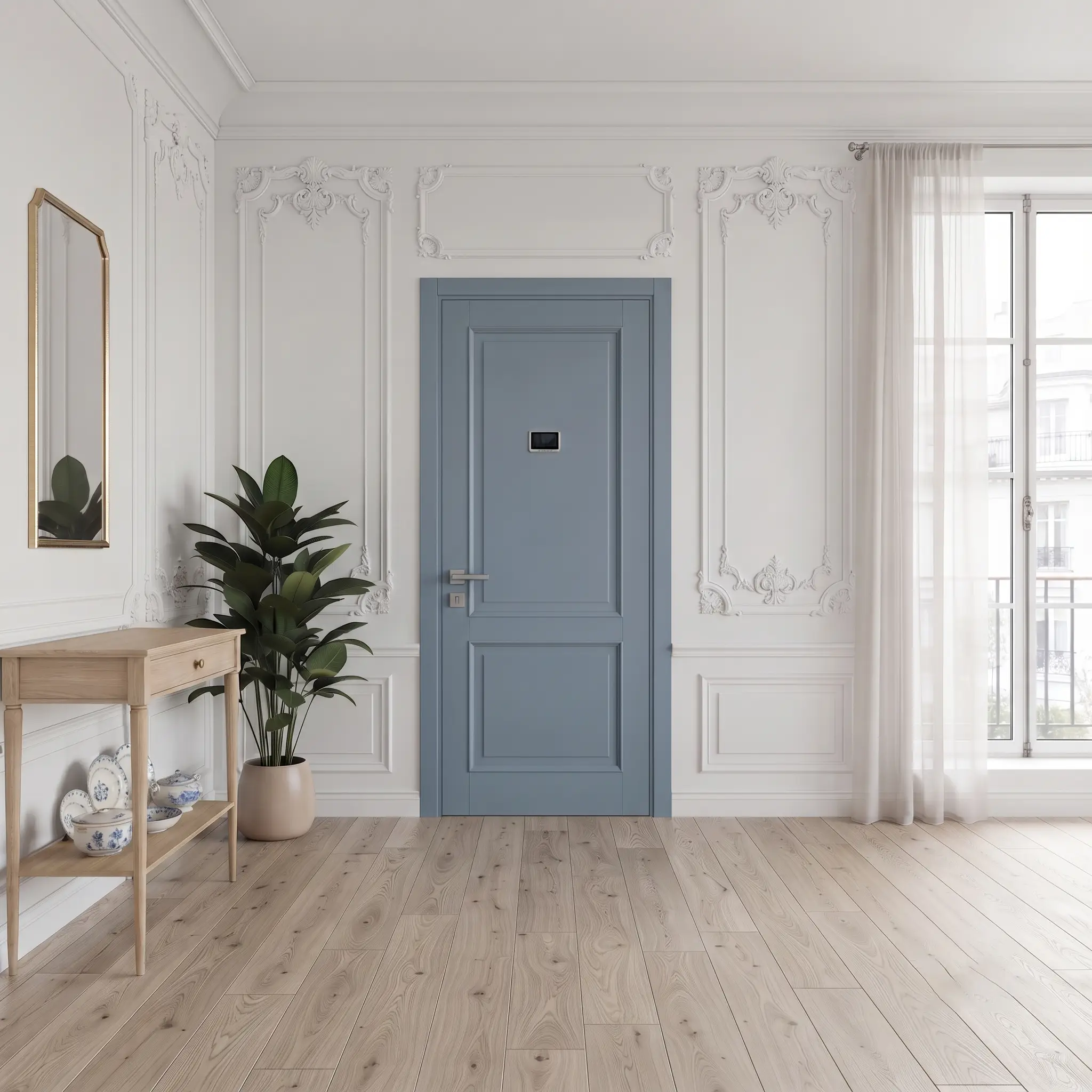
Classic and neoclassical
- Powder blue RAL 5024 on white and plaster mouldings
Powder blue is the desaturated blue par excellence, the emblem of a whispered elegance. In a classic or neoclassical home it brings a light nobility, that of antique porcelain and late-nineteenth-century moods. It dominates nothing: it lifts the room with discretion, and sits alongside white exactly as it did in the homes that invented the colour.
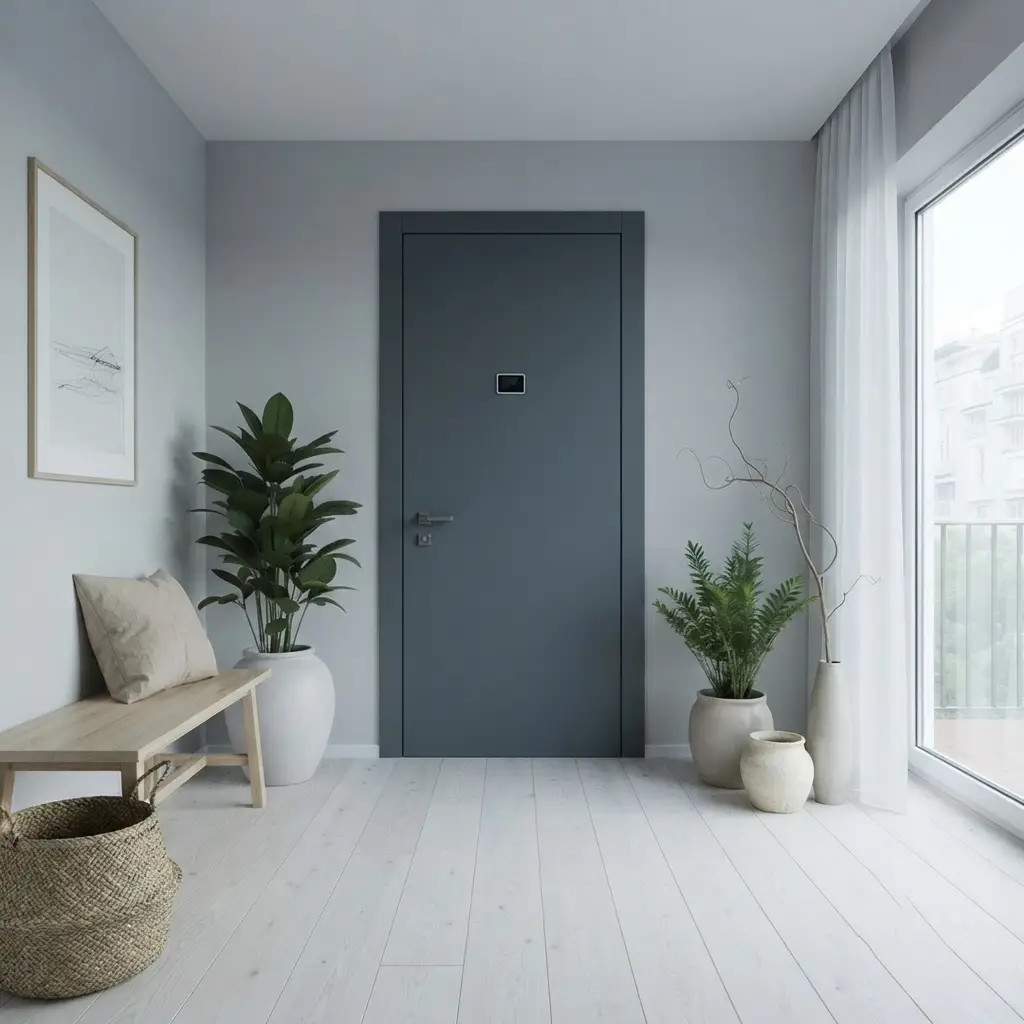
Nordic and coastal chic
- Blue-grey RAL 5008 on pearl-grey walls
On pearl-grey walls blue turns coastal chic, a reworked Nordic elegance. It adds depth to a bright, quiet room without weighing it down by an ounce, and turns the entrance into a refined transitional space. It is the choice for those who want a true colour on the door but do not want to give up the light.
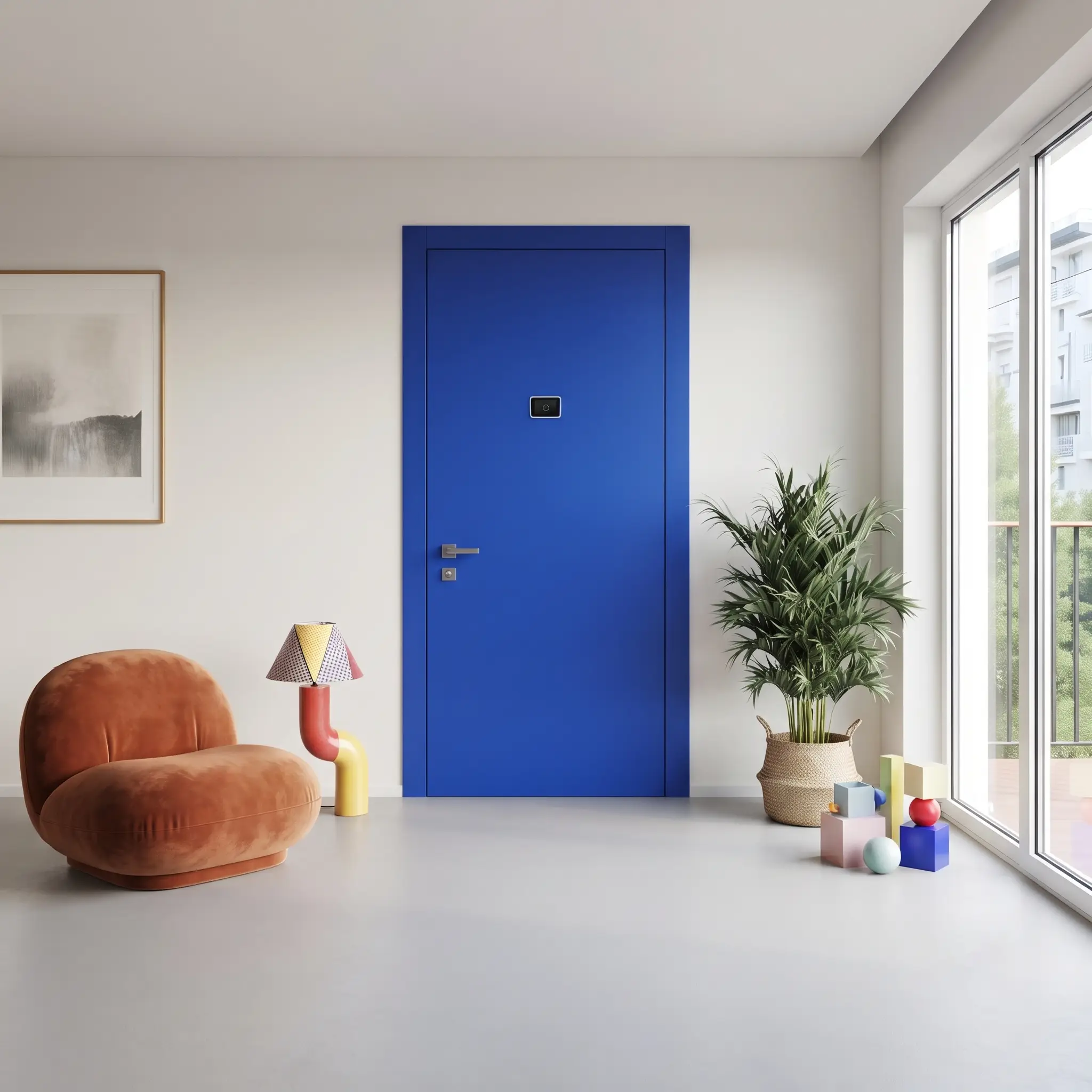
Pop and contemporary
- Gentian blue RAL 5010 on neutrals and saturated colours
If blue shifts towards its more saturated, vibrant tones, the entrance changes register. The door becomes a burst of creative energy, an element that plays with contrast and takes centre stage. It is the blue for those who want a home that gets noticed, with that touch of light-hearted irony that minimalism never allows.
How to choose the right blue for your home
With blue the choice is not so much the finish as the shade: our starting references are gentian blue RAL 5010, full and vibrant, sapphire blue RAL 5003 shifting towards midnight and blue-grey RAL 5008, more muted. From there we calibrate them with you, to suit your style and the wall in your home. Here is how colour designer Chiara Bevegni recommends them.
| If your style is | The blue to choose | Ideal wall and materials |
|---|---|---|
| Contemporary Mediterranean | midnight blue or sapphire RAL 5003 | limewash white, natural stone, raw fabrics |
| Classic and neoclassical | powder blue RAL 5024 | white, plaster mouldings, porcelain, light woods |
| Nordic and coastal chic | blue-grey RAL 5008, desaturated | pearl grey, whitewashed oak, linen |
| Pop and contemporary | saturated gentian blue RAL 5010 | light neutrals, art, colourful pieces |
| Narrow or dimly lit entrance | light desaturated blue | light walls, to lengthen the perspective |
Which walls go with blue?
The same blue changes face depending on the wall beside it. The pairings that work, according to Chiara Bevegni.
Blue armoured front door
Do you want it to widen or to wrap around?
Before choosing the exact shade, decide one thing only: should the blue widen the entrance or wrap around it? Everything else follows from there.
The blue that widens the entrance
The blue that wraps and protects
Three things that matter more than the colour
Elegant to look at, impossible to force.
Behind a panel this deep there is first of all a real armoured door, in burglar resistance class RC3 or RC4. You choose blue for the style; what protects you is the lock, the cylinder and the steel you cannot see. You look at the colour every day; the security is what you feel.
Italy's most secure armoured door
The quiet you take back
Goodbye draughts, inside and out
What Ariete puts behind every door
Italy's best armoured door
Voted the country's most secure by the industry's leading trade websites: Edilportale, Porte-blindate.info, Ediltecnico and Infobuild.
Pay in instalments, interest-free
From 12 to 84 months interest-free: take the security you want and spread it over time, without a euro in interest.
2-year warranty
Two years of official warranty on materials and operation, on every model in the range.
100% Made in Italy
Designed and built in Italy, with an in-house joinery workshop that makes the panels to measure.
Blue: maintenance and durability
On saturated colours this is the real risk, and it is beaten in the coating: powder baked in an oven, stable under UV. The blue stays full over the years, without sliding towards that washed-out pale blue that gives cheap paints away.
A mid or desaturated blue hides dust, smears and fingerprints far better than an absolute dark shade. If the entrance is in constant use, it is a practical advantage you feel every day.
A smooth surface: a damp cloth and you are done. No special products. Just avoid abrasives, which on a matt finish leave shiny marks that are hard to undo.
Frequently asked questions about blue front doors
It is the right question to ask about a saturated colour, and it is why not all coatings are equal. On exterior models we use powder coating baked in an oven, stable under UV: the blue stays full over the years, without that shift towards a washed-out grey-blue that gives cheap paints away. If your entrance faces south and takes the sun all day, we will tell you so honestly in the showroom and steer you towards the shade that holds up best.
Far less than black, and this is one of the practical advantages of blue. A mid or desaturated blue such as blue-grey or powder blue forgives almost everything: dust, smears, fingerprints. Very dark, very glossy blues behave like any mirror surface and ask for a little more care. On a front door we almost always recommend a matt or satin finish: a damp cloth and you are done, no special products.
Yes, and this is the heart of the matter: with blue the shade matters more than with any other colour. The most requested references are gentian blue RAL 5010, full and vibrant, sapphire blue RAL 5003 shifting towards midnight, blue-grey RAL 5008 for a muted look, steel blue RAL 5011 and powder blue RAL 5024. We can produce any shade on the RAL and NCS scales in any case. If you already have a blue at home, in the window frames or a shutter, we compare it in the showroom and calibrate the door to match.
Quite the opposite, and it is the reason blue is so widely used in tight spaces. The short waves of blue force the eye into a relaxation that the brain reads as distance: the surface looks optically further away than it is. A blue door on light walls makes the hallway look longer and the entrance more airy. If instead you want the opposite, enveloping effect, you go for a midnight blue with airforce-blue walls and the entrance becomes a small suspended room.
Yes, and it works particularly well on a façade, because blue is one of the few colours that holds up both on light Mediterranean render and on stone. If the building requires a specific panel, our in-house joinery workshop reproduces it: outside you meet the rules, inside you choose the blue you want. They are two independent panels.
Blue is statistically the world’s favourite colour, and that is no accident: it is the one our nervous system associates with stability and trust, not with fashion. It gets tiring when it is too saturated and covers whole surfaces. On a door it does not: there it works as an accent, and a blue accent holds up over the years. If anything it is the rest of the home that changes around it, and blue still fits.
Yes, and it is a pairing that works beautifully on blue. You choose the glass on the Luce and Aurora models, and it is anti-shatter and anti-sledgehammer: the light comes into the entrance without taking anything away from the armour. On a deep blue the transparency of the glass lightens the panel and lifts every ounce of weight from it, which on a dark, full colour makes a considerable difference.
An Ariete blue armoured door starts at around €2,900 + VAT for interior models and goes up to €10,000 + VAT for exterior, glazed or electronic versions. The range is wide because every door is made to measure: the price depends on the model, the burglar resistance class, the size and the finishes. In the showroom or with a quote we give you the exact figure.
Come and see your blue armoured door in person
A blue should be chosen with your eyes, not from a screen: no monitor conveys the difference between a sapphire and a gentian, and every screen distorts them in its own way. In the showroom you compare it with your wall, in your home’s light by day and by evening, and together we find the exact shade and the right model for your entrance. Start from the showroom or from a quote request: there a consultant guides you through the choice. Once the door is decided, one of our in-house technicians (not a call centre, not subcontractors) handles the site survey and the fitting.
Other colours for your armoured door
Blue is one of many ways to dress an Ariete door. Under the panel the armour is identical: the colour changes, the security stays. If your home calls for a different shade, here they are.