
Ariete Security Doors
Wood and brown armoured door
The warmth of wood in front, the steel of the armour behind.
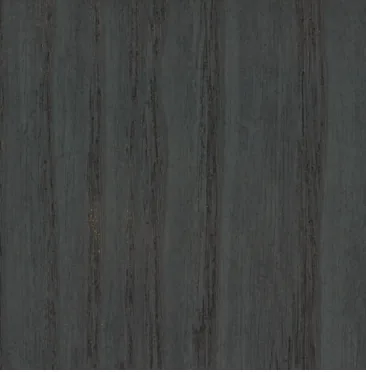
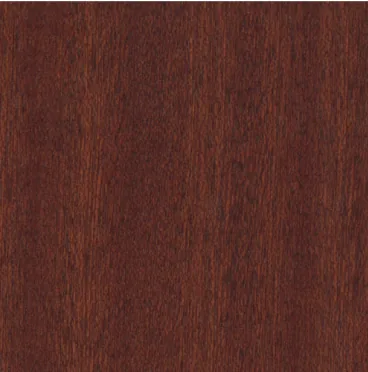
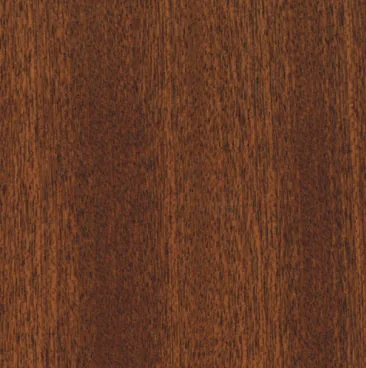
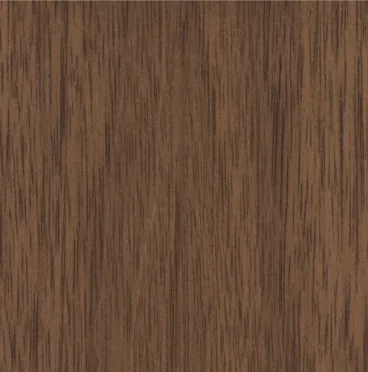
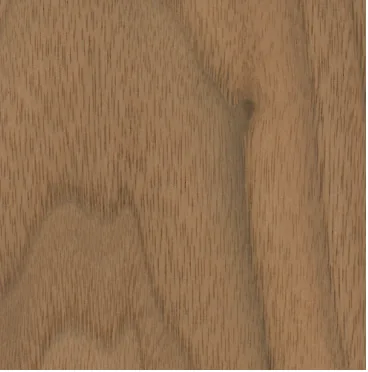
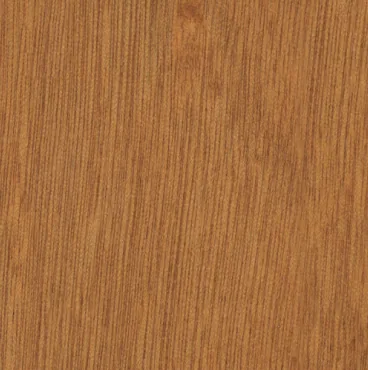
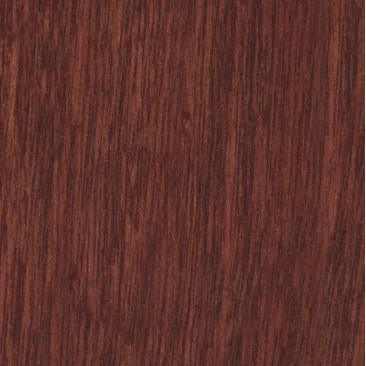
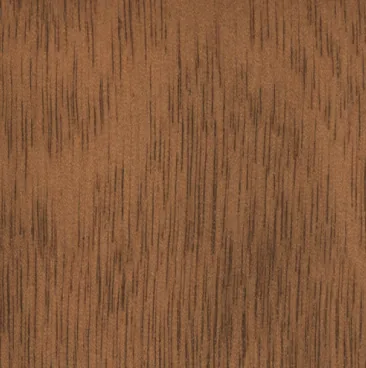
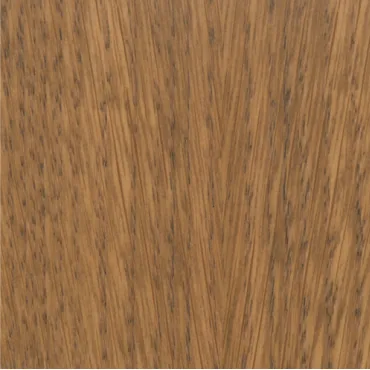
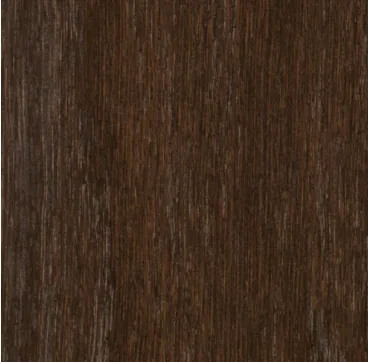
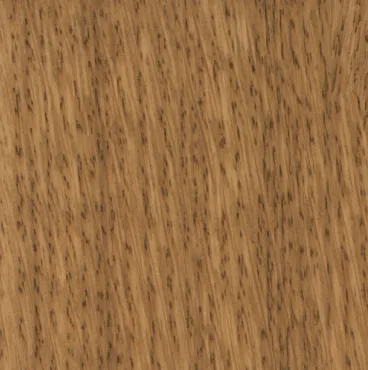
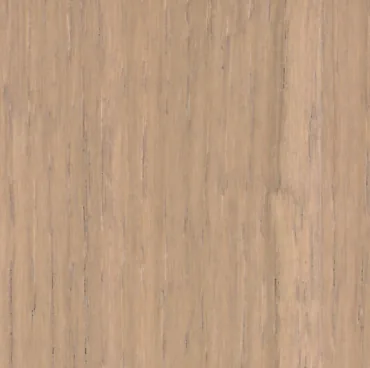
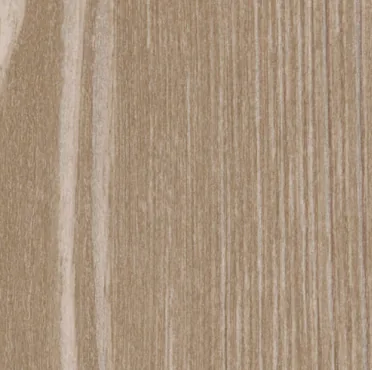
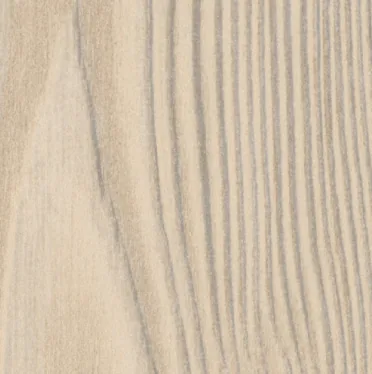
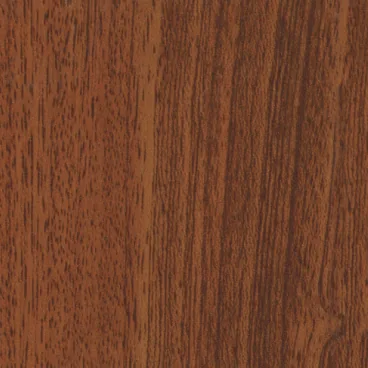
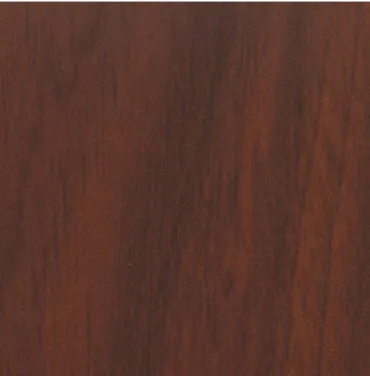
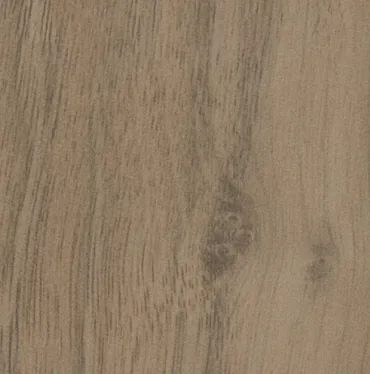
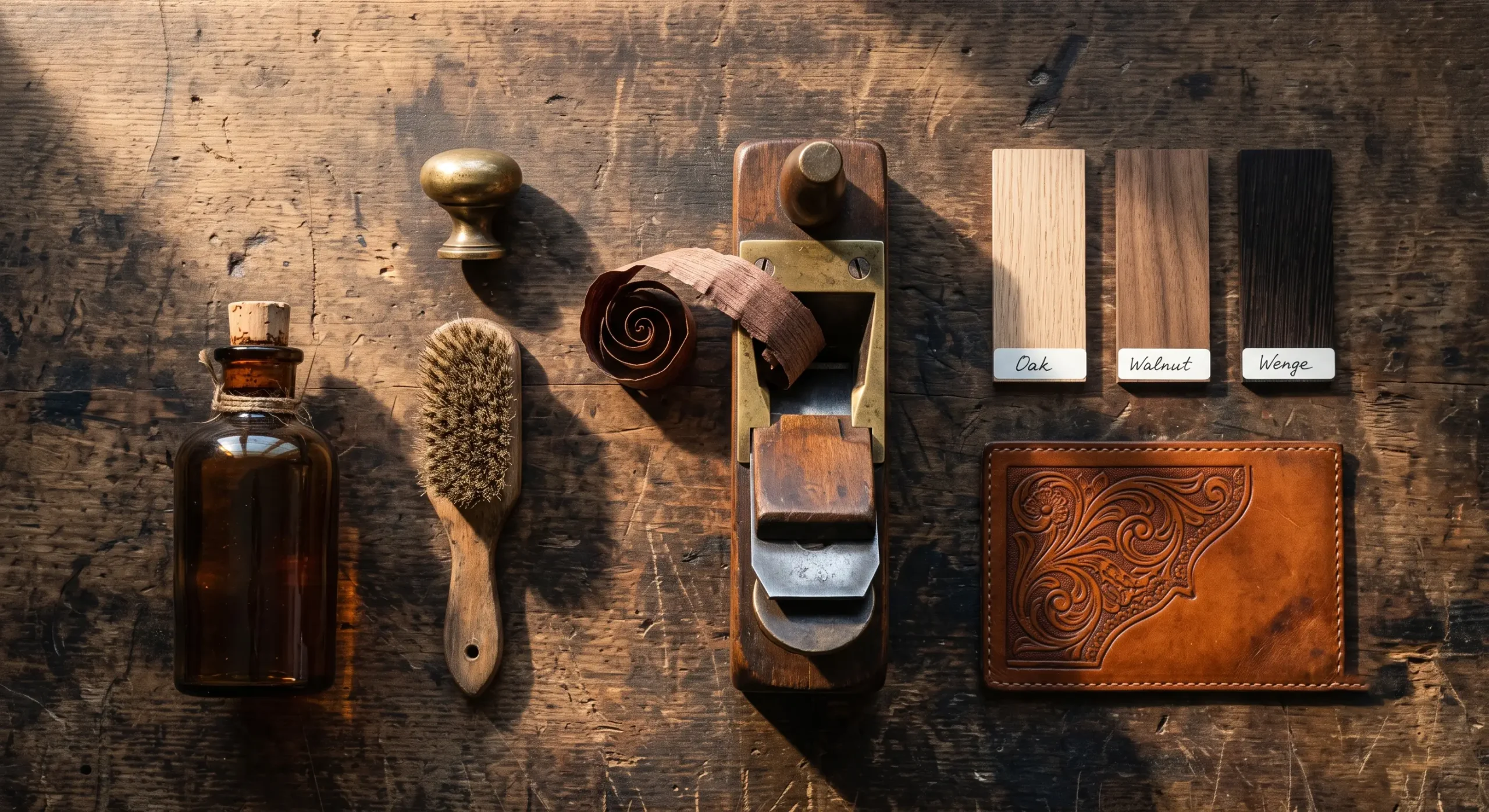
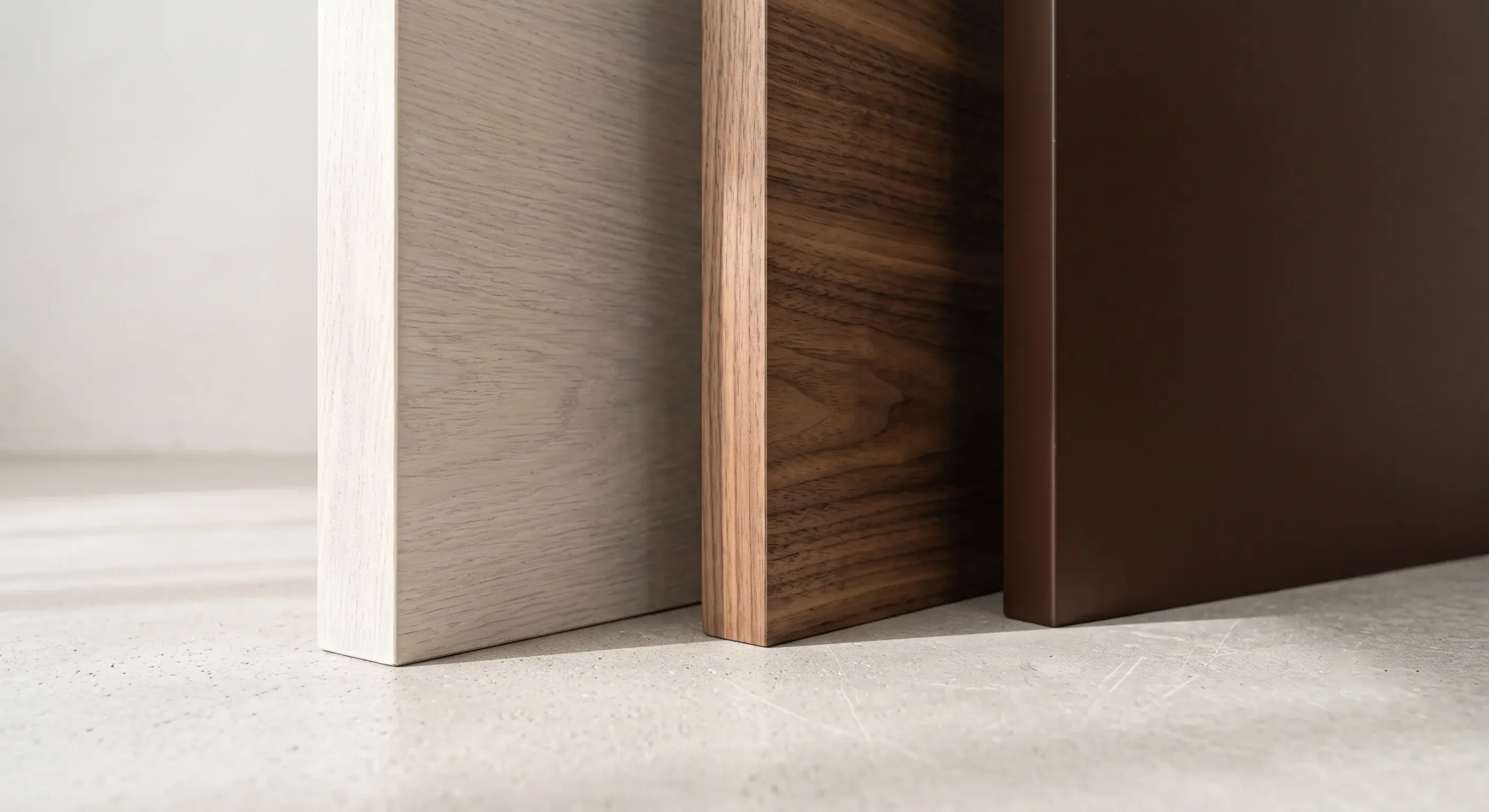
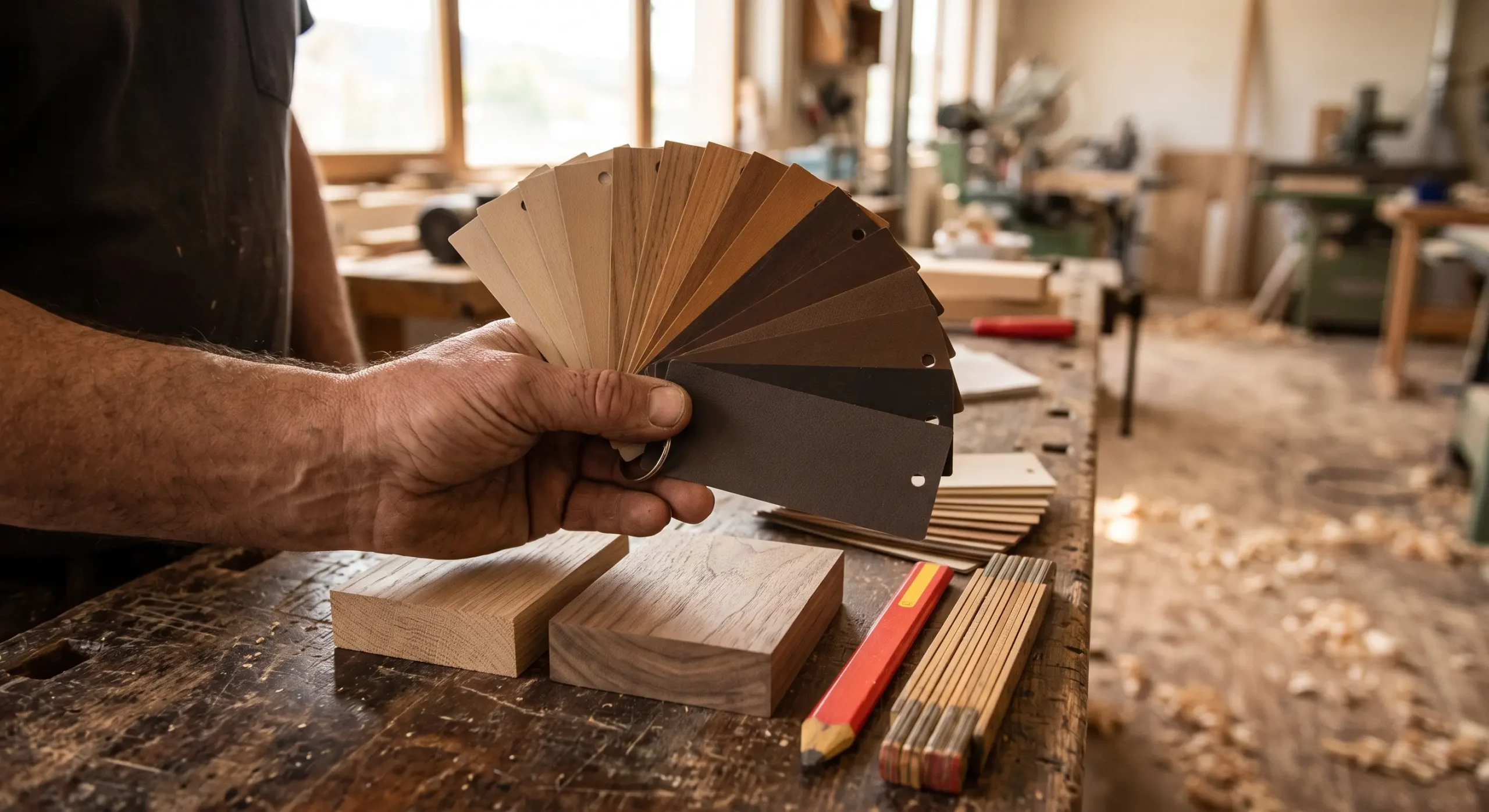
You design your wood or brown armoured door to measure, in the exact timber and tone you have in mind: light oak, almost sand-coloured, warm walnut, chocolate brown RAL 8017 or the grey-brown of RAL 8019, the deepest of them all. Choose real wood, solid or veneered, or a wood-effect laminate. Under the panel it is still an armoured door in burglar resistance class RC3 or RC4, with sound reduction up to 44.8 dB and thermal transmittance down to 0.8 W/m²K. We build it in the most requested sizes, 80, 85 and 90 cm wide, or to a bespoke size that fits your opening, and on request we clad the reveal lining in wood too, so the whole opening matches. And you can see it and touch it for yourself in the showroom, because wood is chosen with your fingers as well.
See your brown armoured door before you choose it
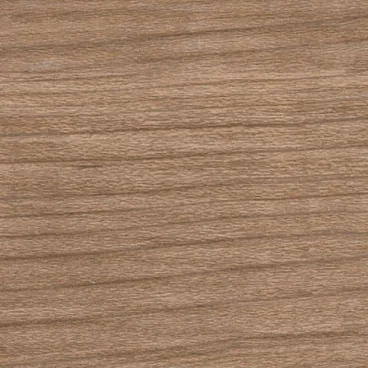
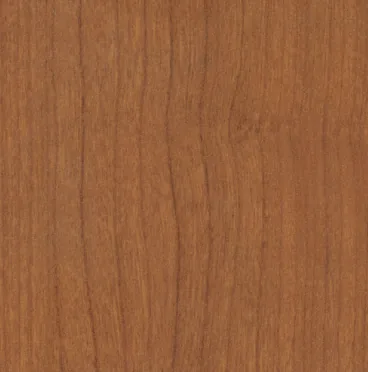
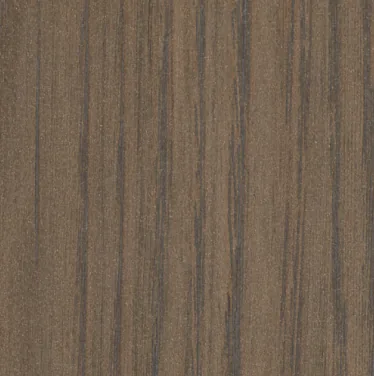
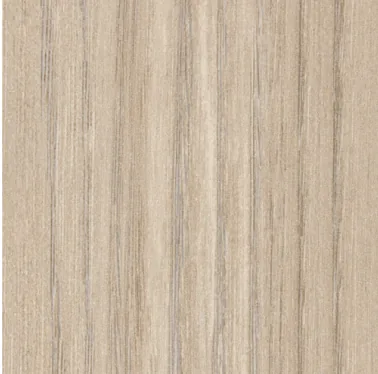
Brown is the colour that changes most with the grain: the same tone looks compact and severe on a smooth panel, alive and irregular on open-pore oak. That is why you will find sixteen photographs here of real doors, fitted in real homes: light woods and deep browns, smooth and raised panels, flats, blocks of flats and street-level entrances. So you know what your brown armoured door is like before you even set foot in the showroom.
Brown: perception, history and style.
We asked colour designer Chiara Bevegni to tell us what brown really is: why our eye reads it as thickness and stability, how it is that with wood the colour stops being merely seen and starts being felt, and what happens to an entrance when you fit a brown door.
Brown is a red that has been tamed.
The colour that makes you feel sheltered.
With wood, the colour becomes something you touch.
Six centuries of cabinetmaking inside one door.
Light wood or deep brown: two different homes.
Buying a brown door or designing your own.
The colour designer
Chiara Bevegni
Interior and colour designer, Genoa
She designs the colour of spaces by listening first to the people who live in them, working across colour consultancy, interior design and home staging. She is the voice behind the colour section of this page.
You can have wood and brown on any Ariete armoured door
You can choose wood and brown across the whole range, from a flat’s front door to the armoured entrance door of a detached house, right through to the sliding door that disappears into the wall. The armour under the panel changes from model to model, and you are still free to have it in the timber you prefer.
Every style has its brown.
Brown does not decorate: it supports. The same door is authority and historical continuity in a classic home, and becomes a barely there light wood in a minimalist one. Here are the four styles where brown is at its best, so you can see straight away which one suits your home.
Classic and commanding
- Walnut and RAL 8011 lacquer against mouldings and panelling
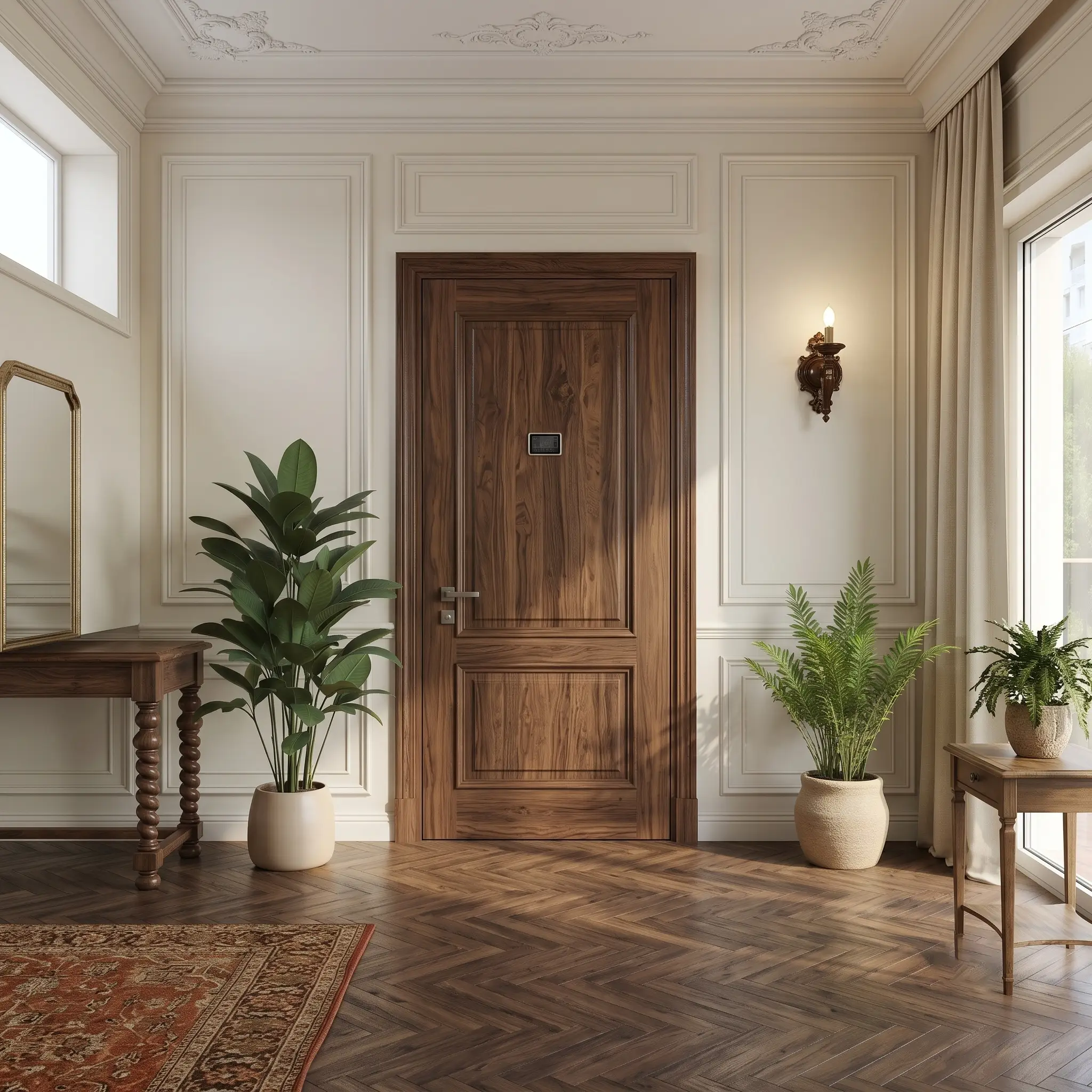
This is the style where brown has always been at home. A noble timber such as walnut, or a walnut brown RAL 8011 lacquer, gives the entrance a gravity no other colour reaches: historical continuity, precious material, the feeling that the door was there before you were. Beside plaster mouldings, panelling and warm floors the door stops being an element and becomes architecture. It is the same reasoning we apply to armoured doors for historic buildings.
Minimalist and warm modern
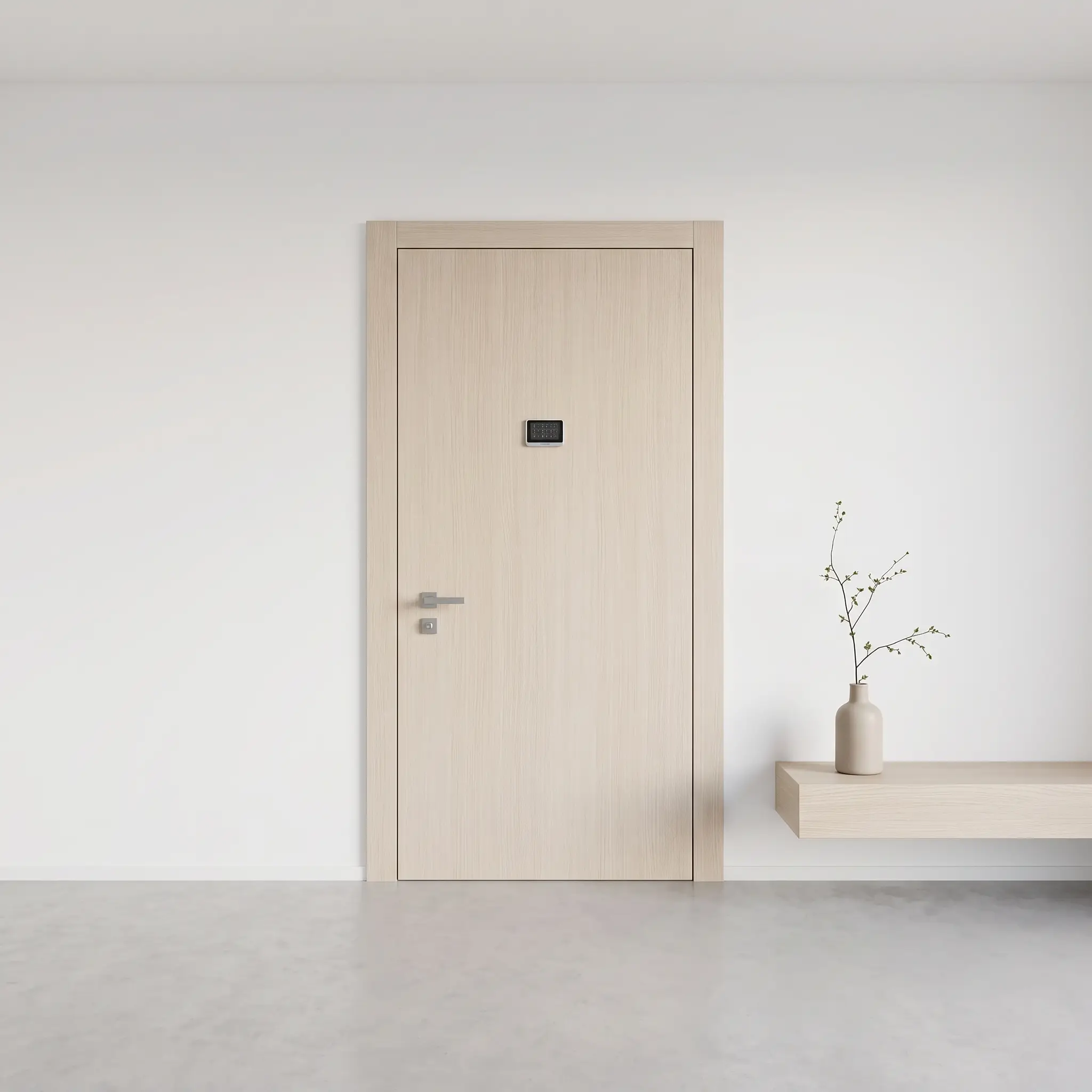
- Light or bleached oak against white and neutrals
Here brown lightens until it is almost sand. A light or bleached oak keeps the purity of the forms because it lowers the contrast instead of raising it: the entrance stays pared back and clean, but stops being cold. It is the answer for anyone who wants a minimal home without giving up warmth, and for small spaces, where a light tone amplifies whatever light there is.
Mountain and contemporary rustic
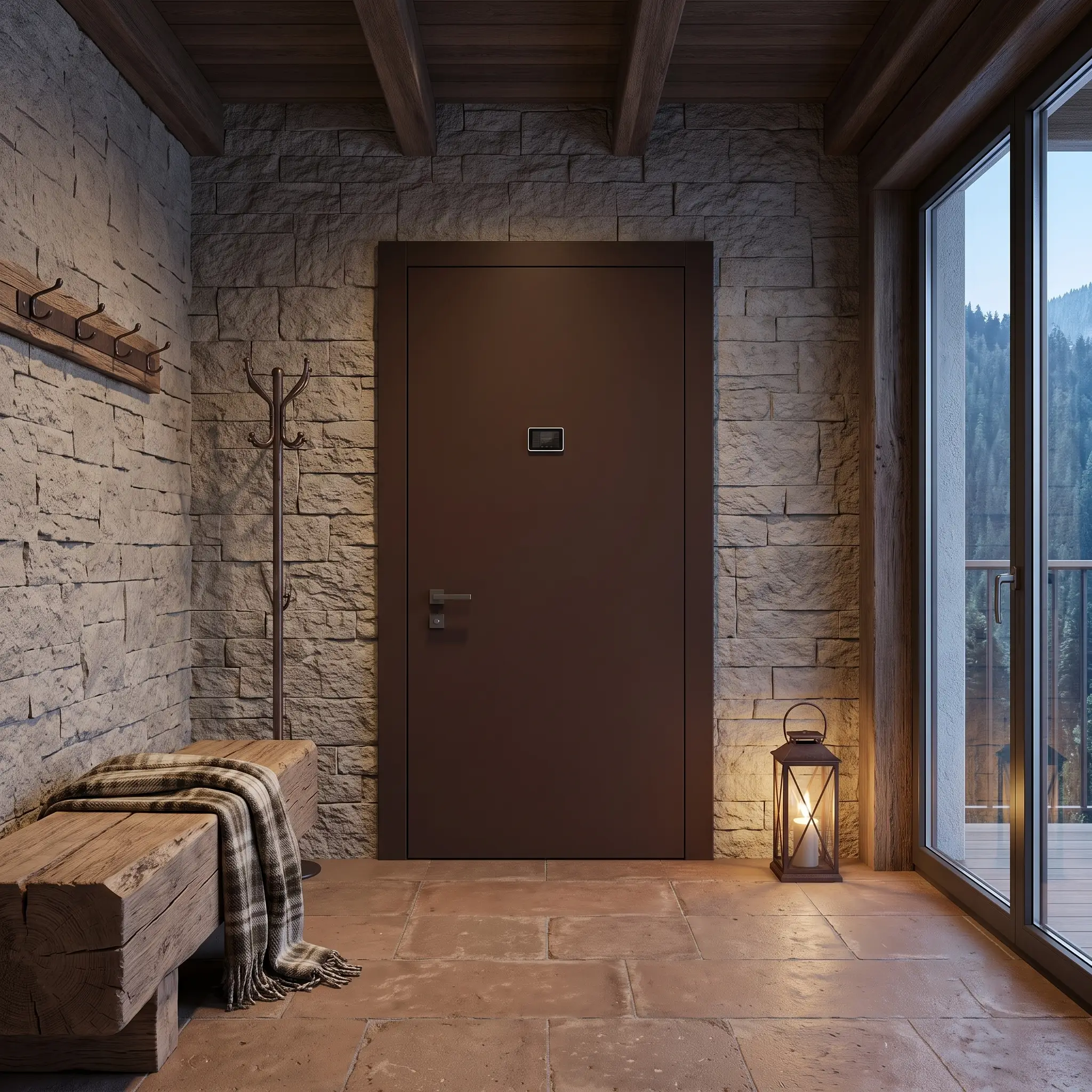
- Chocolate RAL 8017 against stone, iron and exposed beams
When you move down to the darker, more textured timbers, brown stops being a colour and becomes an architectural element. A deep brown, a chocolate RAL 8017 or a grey-brown RAL 8019 alongside stone, iron and exposed beams defines the boundaries of the space and calls up the strength of nature. It is the style where the door has weight, in the best sense: you can see that it is there.
Contemporary cottage
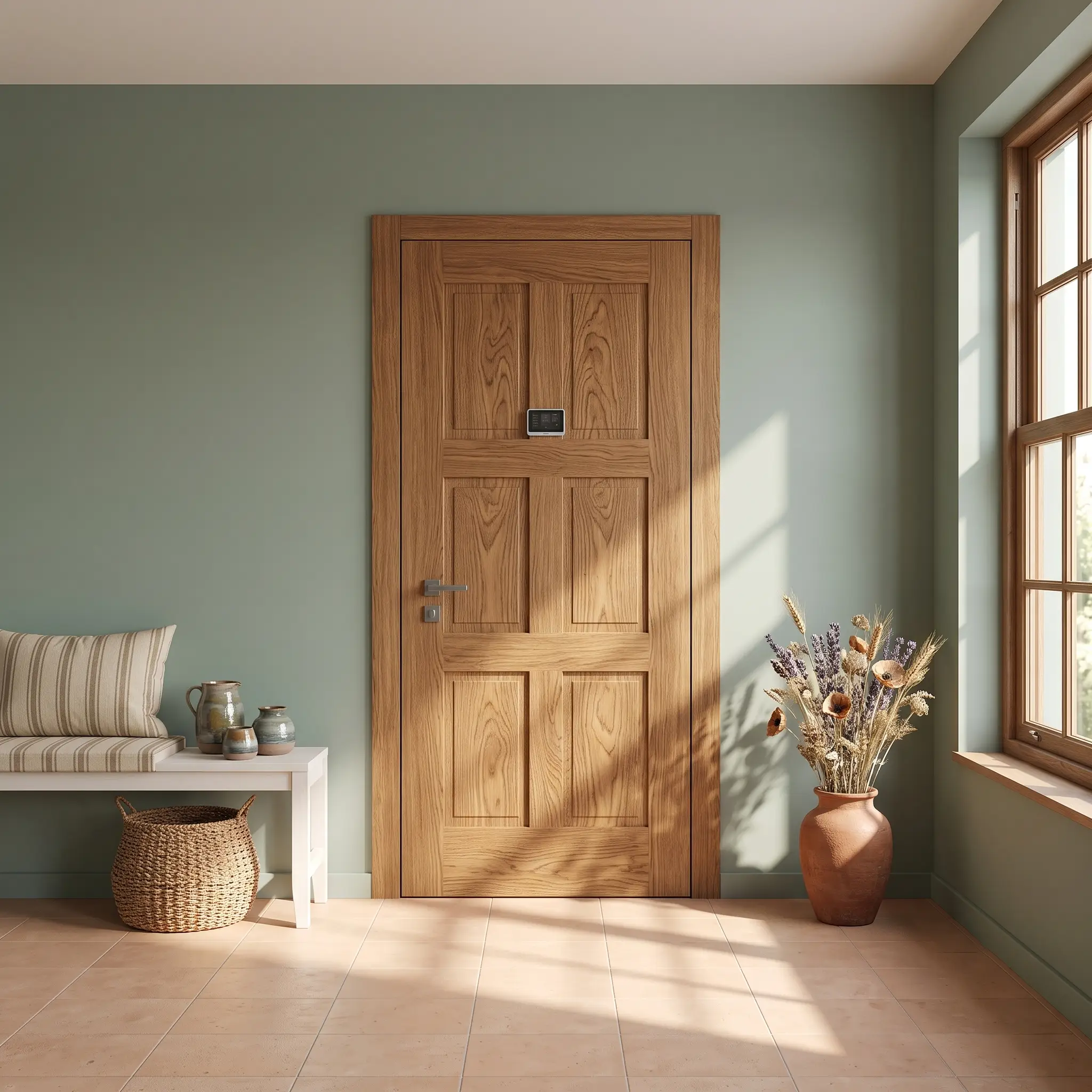
- Mid-tone wood against a sage green wall
This is the brown that sits alongside green. Beside a sage wall the brown stays the stable part of the composition, while the green adds lightness and a botanical note: the effect is fresh, sophisticated, a country house read through today’s eyes. It works beautifully with mid-tone woods, the ones where the grain still shows clearly.
How to choose the right brown for your home
With brown the choice is a double one: first the material, real wood or wood effect, then the tone. Our starting references are chocolate brown RAL 8017, full and deep, walnut brown RAL 8011, warmer, and grey-brown RAL 8019, the darkest of them all. From there we calibrate them with you, to suit your style and the floor in your home. Here is how colour designer Chiara Bevegni recommends them.
| If your style is | The brown to choose | Ideal wall and materials |
|---|---|---|
| Classic | walnut or RAL 8011 lacquer, authority and continuity | plaster mouldings, panelling, warm floors |
| Minimalist, warm modern | light or bleached oak, low contrast | white, neutrals, smooth surfaces |
| Mountain, contemporary rustic | chocolate RAL 8017, material with weight | stone, iron, exposed beams |
| Contemporary cottage | mid-tone wood, grain on show | sage green, linen, ceramic |
| A home after quiet | deep brown, almost monochrome | taupe walls, natural fabrics |
Which walls go with brown?
The same brown changes character depending on the wall beside it. The pairings that work, according to Chiara Bevegni.
Wooden armoured entrance doors, for houses and for flats
Do you want it to widen or to wrap around?
Wooden armoured entrance doors on detached houses and the front doors of flats differ in scale, not in reasoning: whether it is a brown armoured entrance door onto the street or a door off a landing, the starting question is the same. Before choosing the exact timber, decide one thing only: should the wood lighten the entrance or wrap around it? Everything else follows from there.
The light wood that lifts
The deep brown that wraps around you
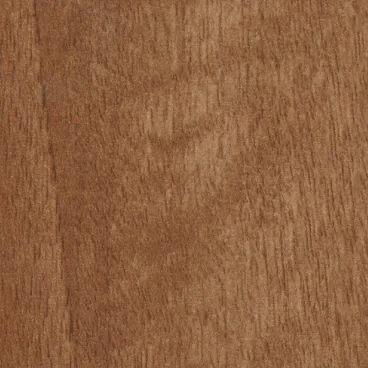
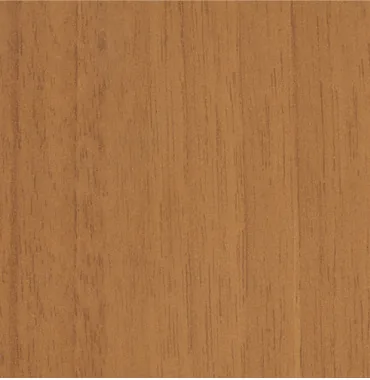
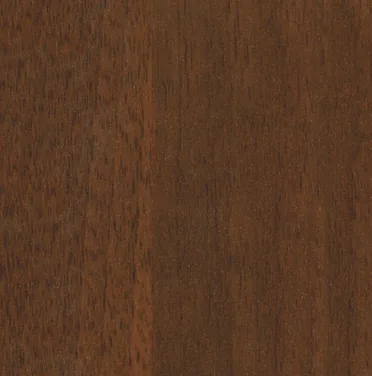
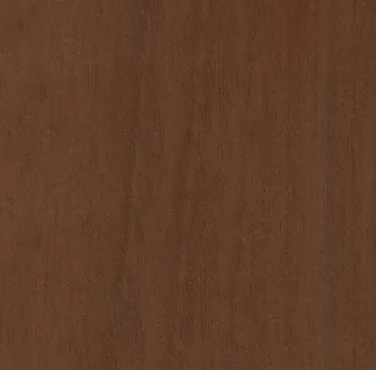
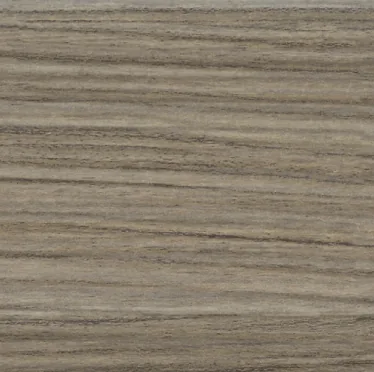
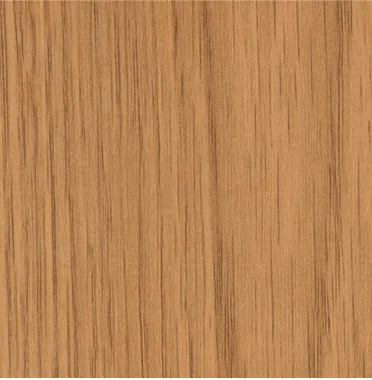
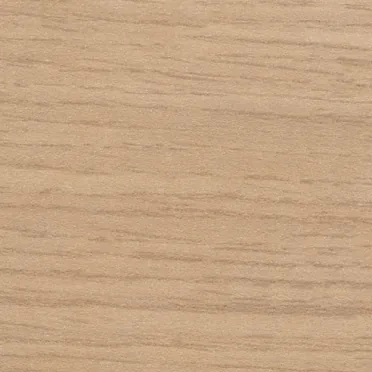
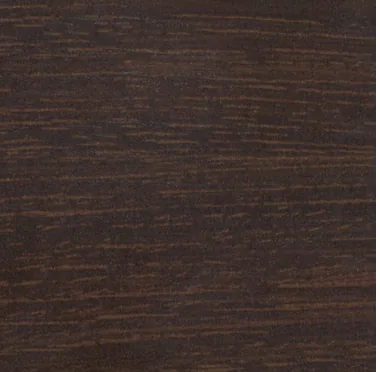
The browns and woods you can choose for your front door
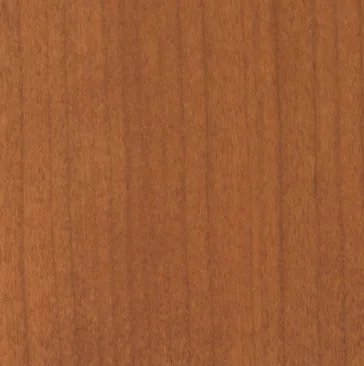
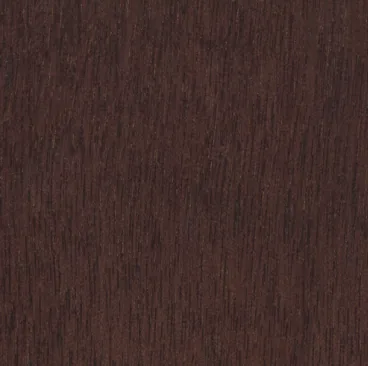
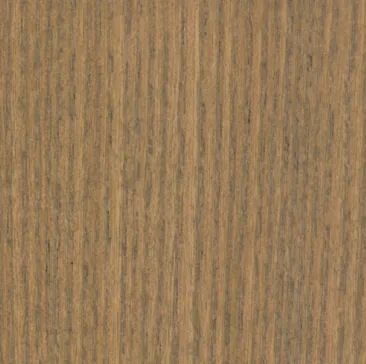
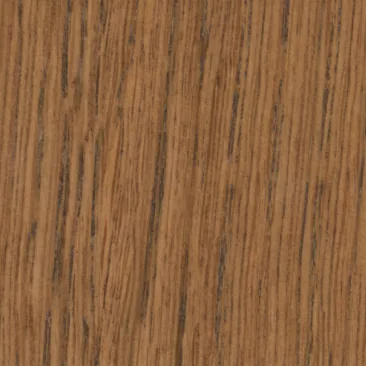
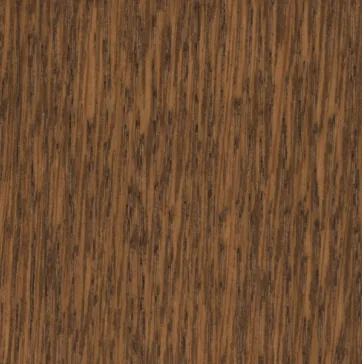
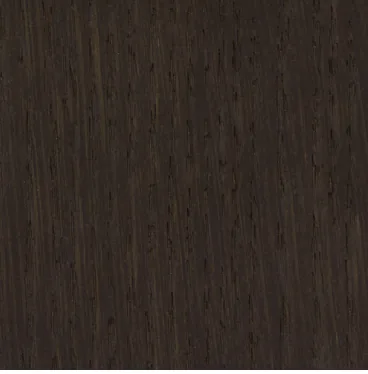
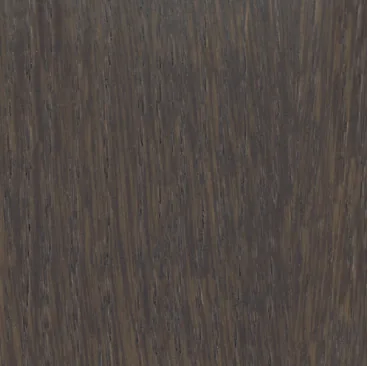
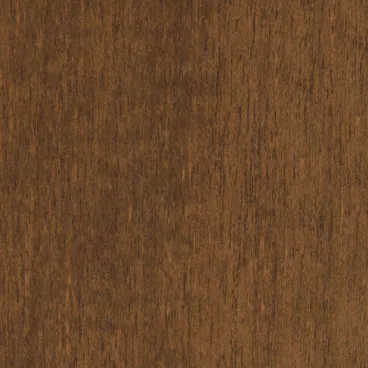
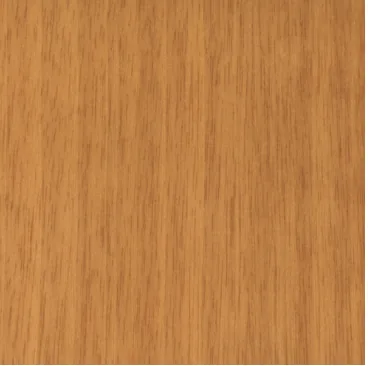
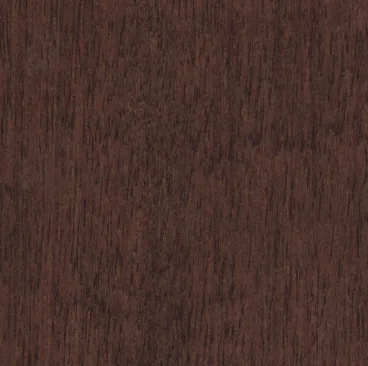
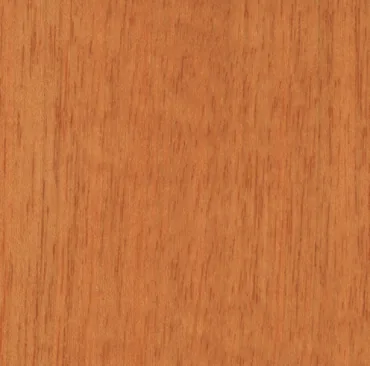
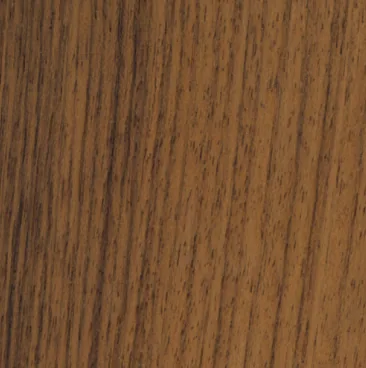
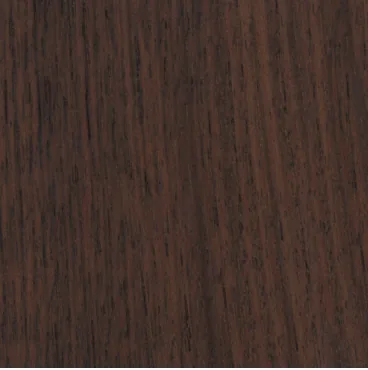
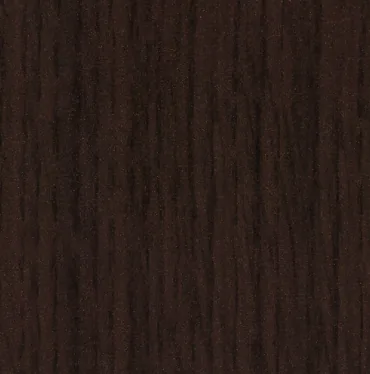
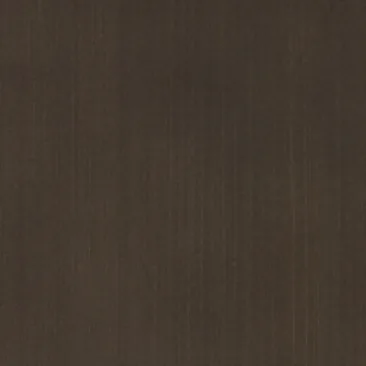
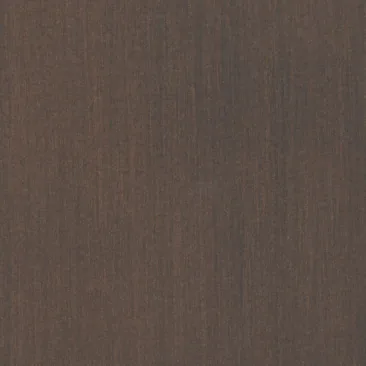
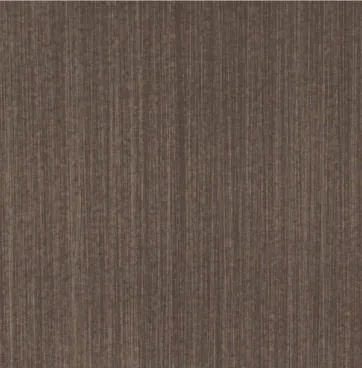
There is more than one brown, and it changes above all with the material: real wood brings grain and depth, a wood-effect laminate stands up better to sun and rain on the outer side, and a metal finish gives a full, even brown. Below you will find the complete range, fifty-six finishes divided by line: twenty-five real wood veneers, seventeen wood-effect laminates, twelve metals and two ceramics. You choose yours from here, in the showroom, next to your own floor. And if the tone you have in mind is not among these, we make it in any colour on the RAL and NCS scales.


Three things that matter more than the colour
Warm to look at, impossible to force.
Behind a panel this warm there is first of all a real armoured door, in burglar resistance class RC3 or RC4. You choose the wood for the style; what protects you is the lock, the patented cylinder, the square defender, the steel you cannot see and, on RC4 models, the continuous anti-lever rib that runs the full length of the hinge side. You look at the colour every day; the security is what you feel.
Italy's most secure armoured door
The quiet you take back
Goodbye draughts, inside and out
What Ariete puts behind every door
Italy's best armoured door
Voted the country's most secure by the industry's leading trade websites: Edilportale, Porte-blindate.info, Ediltecnico and Infobuild.

Pay in instalments, interest-free
From 12 to 84 months interest-free: take the security you want and spread it over time, without a euro in interest.

2-year warranty
Two years of official warranty on materials and operation, on every model in the range.

100% Made in Italy
Designed and built in Italy, with an in-house joinery workshop that makes the panels to measure.
Wood and brown: upkeep and durability
A wood panel exposed to rain and sun needs treating now and again, like a joinery-made front door. A layered wood-effect laminate holds its colour on its own: that is why we almost always recommend it for the outer side.
The oven-baked powder coating is stable under UV, and warm tones are more forgiving than saturated colours: a brown that warms up by half a tone over the years is still a fine brown, whereas on a bright shade the same shift shows at once.
That is the practical advantage of mid tones and grained surfaces: fingerprints, dust and small marks blend into the texture instead of standing out. A damp cloth is enough, with no special products and nothing abrasive. The rest is in our guide to armoured door maintenance.
Frequently asked questions about wood and brown armoured doors
It depends on where the door faces, and it is a distinction that changes everything. In a block of flats the outer side faces the stairwell: there real wood is the natural choice, because the door stays sheltered from rain and sun. Our in-house joinery workshop makes wood panels for doors in blocks of flats every day, including a faithful reproduction of the neighbours’ panel. On a door that really does face outside the answer is different, and you will find it in the question below. On the inner side, in any case, real wood remains the better choice: authentic grain has a depth that a print can only imitate.
Better, and the difference is in the belly of the door. A joinery-made front door insulates through the thickness of the timber; an Ariete armoured door has fire-resistant mineral-wool insulation, a double seal and a draught-excluder blade with five air chambers, and it reaches sound reduction of up to 44.8 dB with thermal transmittance down to 0.8 W/m²K. Close the door and the noise of the stairwell or the street drops away at once, and the cold of the landing stays outside.
Identical, because the wood is the cladding and not the structure. Under the panel there is always the same steel frame, with the same burglar resistance class RC3 or RC4, the same patented cylinder, the same square defender with chamfered corners that cuts off the scaffolding-pipe technique and, in RC4, the continuous anti-lever rib that runs the full length of the hinge side. Changing the timber or moving from walnut to a lacquer does not shift the class of the door by a millimetre: it only shifts how you see it.
Ariete external panels are treated against water and UV, and wood is one of the finishes available: veneered timber panels are designed for exactly this kind of permanent exposure. It is one of the reasons why an external front door costs more than a door for a flat: the panel is different, the aluminium threshold acts as a dam and the seals compress when you turn the key. Looks and performance stay as they were on day one even after years outdoors, coastal locations included.
Yes. The most requested references are oak, light or bleached, and walnut, warmer and darker, and on each of them you also choose the direction of the grain, horizontal or vertical. On lacquers we start from chocolate brown RAL 8017 and walnut brown RAL 8011, and we make any shade on the RAL and NCS scales in any case. If you already have a timber in the house, in the flooring or the window frames, we compare it in the showroom and calibrate the door to match.
It applies to all dark shades, brown included: in direct sun the surface heats up more than a light one. That is why on south-facing external models we use specific coating cycles and panels designed for solar exposure. If your aspect is a difficult one we will tell you in the showroom, and often the answer is simply to go up a couple of tones towards a lighter oak.
Of course. The inner and outer panels are independent, so inside you fit the oak or the walnut you have in mind, perhaps tuned to your internal doors and your parquet, while outside the door either stays the same as the others on the landing or takes the colour that ties in with the facade. Our in-house joinery workshop makes both to measure, and the difference on the price is small.
Yes, and it is the request we receive most often. Outside you fit the wood the building regulations require or that matches the other doors on the landing: our in-house joinery workshop reproduces the neighbours’ panel faithfully, including the classic Vecchia Milano and Vecchia Genova designs. If you are dealing with a replacement in a block of flats you will find every step there. Inside you choose what you like, white, a grey or any RAL shade that works with your internal doors and your floor. The trade calls it a two-tone door: the door respects the shared look and on this side it stays yours, and it makes little difference to the quote.
The tone decides that, not the colour. A deep brown wraps around the space and closes it in, and that is exactly what you want in a wide entrance or in a home after quiet. In a narrow entrance with no windows the same brown weighs too much: there you move up to a light, sand-toned oak, which lowers the contrast with the wall and lets it breathe. It is the first thing we look at together, before the timber itself.
Yes, and it is one of the warmest combinations you can get, with real wood as much as with a wood-effect panel. You choose the glass on the Luce and Aurora models, and it is anti-shatter and anti-sledgehammer: the light comes into the entrance without taking anything away from the armour. The contrast between the grain and the transparency is what a contemporary home after warmth is looking for.
An Ariete armoured door starts at around €2,900 + VAT for interior models and goes up to €10,000 + VAT for exterior, glazed or electronic versions. The range is wide because every door is made to measure: the price depends on the model, the burglar resistance class, the size and the finishes, and real wood weighs more on it than a wood-effect laminate. In the showroom or with a quote we give you the exact figure.
Come and touch your wooden armoured door for yourself
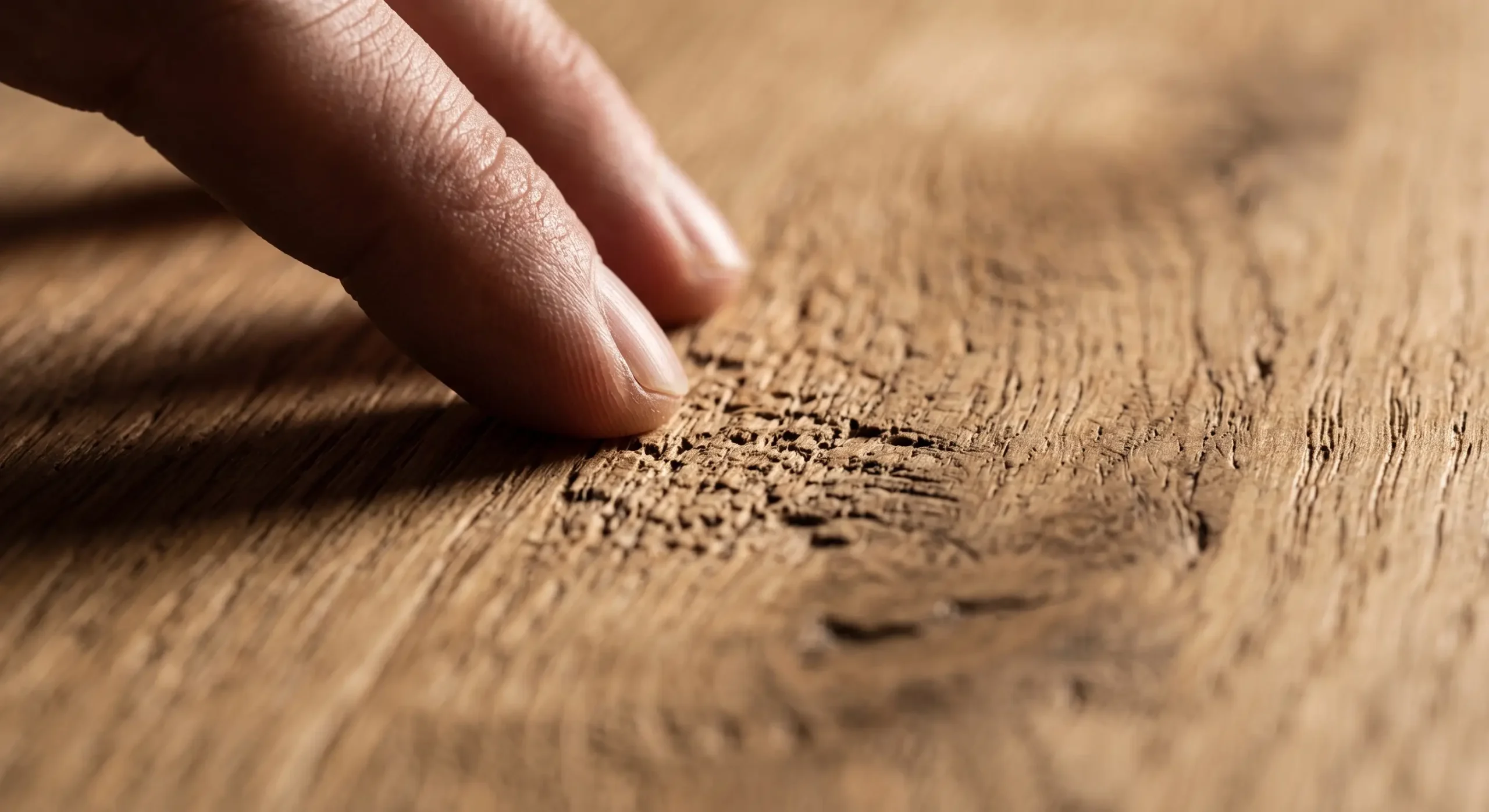
Wood should be chosen with your eyes and your hands, not from a screen: the difference between an open-pore oak and a smooth laminate is felt under your fingers before it is seen. In the showroom you compare it with your own floor, in your home’s light by day and in the evening, and together we find the exact timber and the right model for your entrance. Start from the showroom or from a quote request: there a consultant guides you through the choice. Once the door is settled, one of our in-house technicians (not a call centre, not subcontractors) takes care of the site survey and the installation.
Other colours for your armoured door
Brown is one of many ways to dress an Ariete door. Under the panel the armour is identical: the colour changes, the security stays. If your home calls for another shade, here they are.